
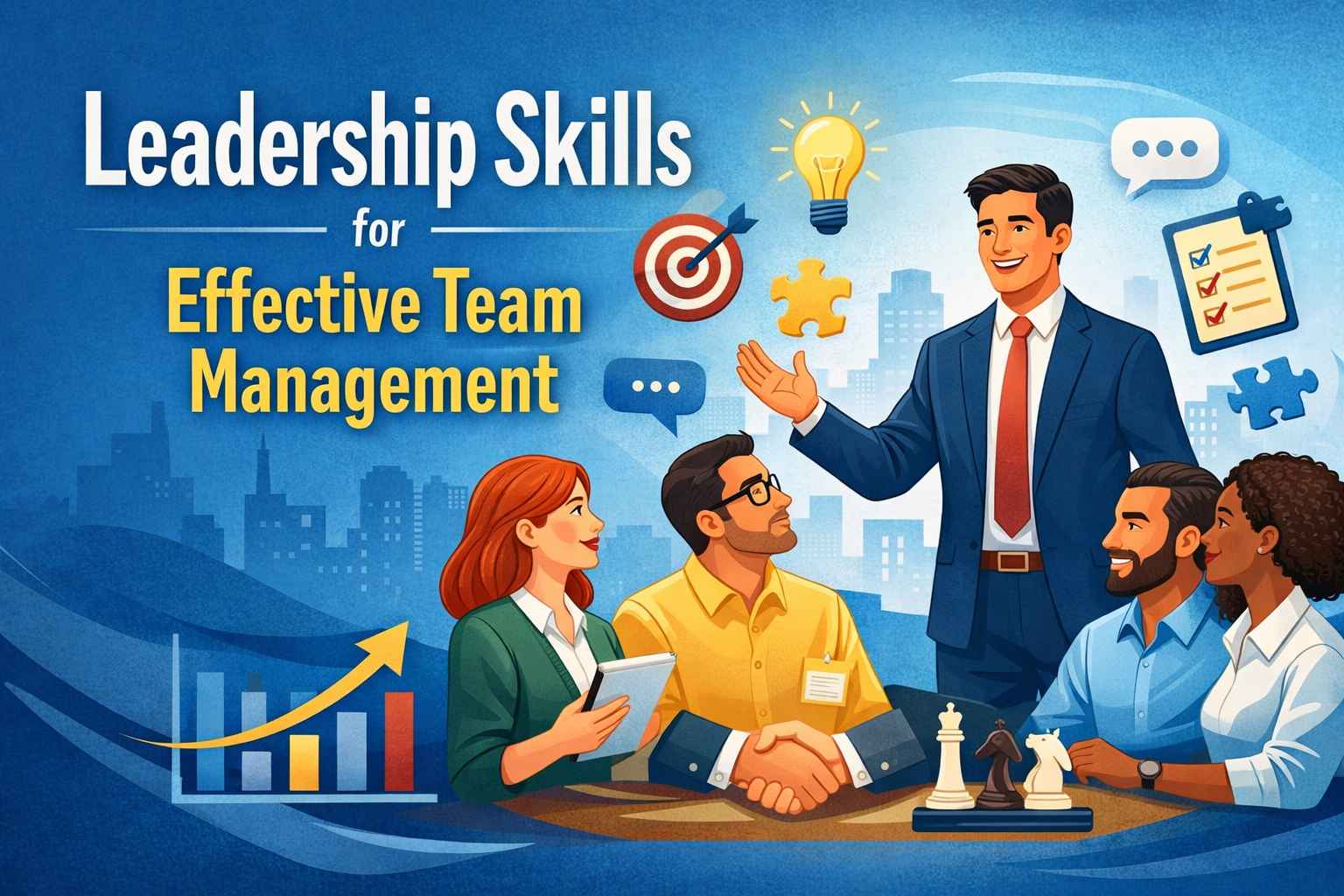

Effective team management is one of the most important factors behind organizational success. While technical expertise and experience play a role, it is leadership skills that truly shape how teams perform, collaborate, and achieve goals. Strong leaders go beyond assigning tasks—they inspire trust, encourage growth, and create an environment where individuals feel motivated to do their best work.
In today’s dynamic and competitive workplace, leaders must continuously develop the skills needed to manage diverse teams, navigate challenges, and drive consistent results. This article explores the essential leadership skills required for effective team management and how they contribute to long-term success.
1. Clear and Open Communication
Communication is the foundation of effective leadership. Leaders must clearly articulate goals, expectations, and responsibilities so that every team member understands their role. Open communication also encourages transparency and reduces misunderstandings.
Effective leaders actively listen to their teams, welcome feedback, and ensure that information flows in both directions. Regular meetings, clear instructions, and constructive feedback help keep everyone aligned. When communication is strong, teams work more efficiently and feel more connected to their leader and organization.
2. Emotional Intelligence
Emotional intelligence is a critical leadership skill that directly impacts team dynamics. Leaders with high emotional intelligence understand their own emotions and are sensitive to the feelings of others. This awareness allows them to respond thoughtfully rather than react impulsively.
Empathy helps leaders build trust, manage stress, and support team members during challenging situations. Emotionally intelligent leaders create a positive work environment where people feel respected and valued, leading to higher morale and stronger collaboration.
3. Strong Decision-Making Skills
Effective leaders are decisive and confident, especially during uncertainty. Decision-making involves analyzing information, considering risks, and choosing the best course of action while remaining accountable for the outcome.
Good leaders involve team members when appropriate, valuing their input and expertise. This inclusive approach improves decision quality and makes team members feel invested in the results. Clear and timely decisions keep projects on track and prevent confusion or delays.
4. Delegation and Empowerment
One of the most important leadership skills is knowing how to delegate effectively. Leaders who try to manage everything themselves often experience burnout and limit their team’s growth. Delegation allows leaders to focus on strategy while empowering team members to take ownership of their work.
By assigning tasks based on individual strengths and skills, leaders demonstrate trust and encourage professional development. Empowered employees are more engaged, confident, and motivated to perform at a high level.
5. Motivation and Recognition
Motivating a team requires more than offering incentives—it involves understanding what drives individuals and recognizing their contributions. Effective leaders inspire their teams by setting clear goals, celebrating achievements, and acknowledging effort.
Recognition can be as simple as verbal appreciation or public acknowledgment of accomplishments. When team members feel valued, they are more committed to their work and willing to go the extra mile. Motivated teams consistently perform better and show greater loyalty to their organization.
6. Conflict Resolution Skills
Conflict is inevitable in any team, especially when people with different personalities and perspectives work together. Strong leaders address conflicts early and handle them with fairness and professionalism.
Effective conflict resolution involves listening to all sides, remaining objective, and finding solutions that support team harmony. Leaders who manage conflict constructively turn disagreements into learning opportunities, strengthening trust and collaboration rather than allowing tension to grow.
7. Adaptability and Flexibility
Change is a constant in modern organizations. Leaders must be adaptable and open to new ideas, technologies, and ways of working. Teams look to their leaders for guidance during times of change, making flexibility a crucial leadership skill.
Adaptable leaders encourage innovation, support experimentation, and help teams adjust to new challenges. This approach builds resilience and prepares teams to thrive in evolving environments.
8. Leading by Example
Effective leaders set the standard through their own actions. Demonstrating integrity, accountability, and professionalism inspires team members to follow suit. When leaders model the behavior they expect, they earn respect and credibility.
Leading by example also means showing commitment, maintaining a positive attitude, and taking responsibility for mistakes. This builds a culture of trust and continuous improvement within the team.
Conclusion
Leadership skills are the backbone of effective team management. Clear communication, emotional intelligence, decision-making, delegation, motivation, conflict resolution, adaptability, and leading by example all play a vital role in building high-performing teams.
Effective leadership is not about authority—it is about influence, trust, and continuous growth. By developing and refining these leadership skills, managers can create engaged, productive teams and drive sustainable success for their organizations.