
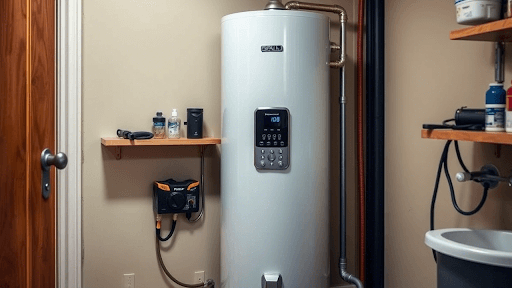

A water heater is an essential appliance in any home or business, providing hot water for showers, cleaning, and other daily tasks. However, like any other appliance, water heaters can develop issues over time. Recognizing common problems and knowing how to address them can save you time, money, and frustration. If you’re in Simi Valley and facing water heater troubles, understanding these issues can help you decide whether to tackle repairs yourself or call a professional for water heater repair in Simi Valley.
Here are nine common water heater problems and their solutions:
No Hot Water
A lack of hot water is one of the most frustrating problems you can encounter with a water heater. Common causes include a malfunctioning heating element, a tripped circuit breaker, or, in the case of gas water heaters, an issue with the gas supply.
Solution
Check the circuit breaker for electric heaters or the gas supply for gas heaters. If these aren’t the issue, the heating element may need replacement.
Insufficient Hot Water
When your water heater does not produce enough hot water, it could be due to an undersized unit, a broken dip tube, or sediment buildup in the tank.
Solution
To remove sediment, drain and clean the tank. If the issue persists, consider replacing the dip tube or upgrading to a larger unit.
Water Temperature Fluctuations
Fluctuating water temperatures are often caused by a malfunctioning thermostat or a crossed hot and cold water connection.
Solution
Adjust the thermostat settings or inspect the connections. If the thermostat is faulty, it may need replacement.
Leaking Tank
A leaking water heater tank is a significant problem that may lead to water damage and suggest internal corrosion.
Solution
If the tank itself is leaking, it’s usually best to replace the unit. For minor leaks around fittings, tightening connections or replacing seals may solve the problem.
Strange Noises
Popping, rumbling, or banging sounds are usually the result of sediment buildup at the bottom of the tank, leading to overheating and the formation of steam bubbles.
Solution
Flush the tank to remove sediment. Regular maintenance can prevent this issue.
Discolored or Smelly Water
Smelly or rusty water is a sign of corrosion inside the tank or bacterial growth in the water supply.
Solution
Flush the tank and replace the anode rod if it’s corroded. For bacterial issues, sanitize the tank with hydrogen peroxide or chlorine.
Pilot Light Won’t Stay Lit
If it is a gas water heater, a pilot light that won’t stay lit may point to a malfunctioning thermocouple, a blocked pilot orifice, or a problem with the gas supply.
Solution
Clean the pilot orifice or replace the thermocouple. If the problem persists, consult a professional for water heater repair in Simi Valley.
High Energy Bills
A sudden spike in energy bills could mean your water heater is working harder than it should due to sediment buildup, a faulty thermostat, or poor insulation.
Solution
Flush the tank, adjust the thermostat, or insulate the unit to improve efficiency.
Water Heater Age
Most water heaters last 8–12 years. If your unit is older and experiencing frequent issues, it may be nearing the end of its lifespan.
Solution
Consider replacing the unit with a newer, more energy-efficient model.
When to Call a Professional
Although certain water heater problems can be handled with DIY solutions, others demand the expertise of a professional. If you’re unsure about the problem or lack the tools and knowledge to fix it, it’s best to call a licensed technician for water heater repair in Simi Valley. Professionals can diagnose the issue accurately and ensure your water heater operates safely and efficiently.
Preventive Maintenance Tips
To extend the life of your water heater and avoid common problems, follow these maintenance tips:
Flush the Tank Annually
This removes sediment buildup and improves efficiency.
Inspect the Anode Rod
Replace it every 3–5 years to prevent corrosion.
Check the Pressure Relief Valve
Test it annually to ensure it’s functioning properly.
Insulate the Tank
This reduces heat loss and lowers energy bills.
For More Info Visit: toptechpublisher