
Choosing a home affects your routine, finances, comfort, and future plans. With numerous apartments for rent in Dubai across different neighborhoods and price ranges, comparing options carefully can help you avoid rushed decisions. Before signing a lease, consider factors such as rental costs, location, available facilities, property condition, and agreement terms.
Every apartment offers different advantages, so evaluating your priorities is essential. A systematic comparison allows you to understand the overall value of each option, identify potential concerns, and select a home that suits your lifestyle and budget.
1. Establish a Realistic Budget
Do not focus only on the advertised annual amount. Include the security deposit, agency fees, utility connections, internet, parking, maintenance responsibilities, and other charges that may apply. Ask about payment dates and accepted installment options.
Estimate the total monthly cost for each property. A lower rent may be offset by limited parking or higher utility expenses. Compare the full commitment, not rent alone.
2. Assess the Neighborhood
Consider the distance to work, schools, supermarkets, healthcare facilities, public transport, and places you visit regularly. Check travel times during peak hours, not just the estimate shown on a map. A convenient location saves time.
Visit each neighborhood at different times when possible. Notice traffic, parking, noise, pedestrian access, nearby construction, and the condition of public spaces. Consider whether the area will suit future changes to your routine.
3. Compare Layout and Usable Space
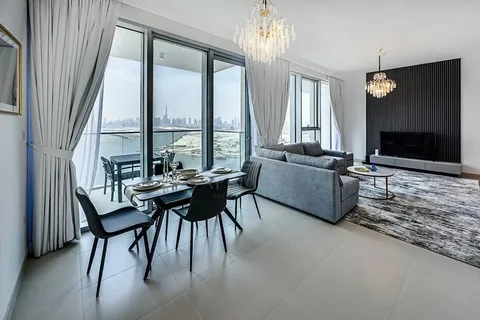
Look beyond the number of bedrooms. Check room proportions, storage, natural light, privacy, and the arrangement of the kitchen, bathrooms, balcony, and living areas. A practical layout should support daily activities.
Think about your furniture and belongings before deciding. Measure important spaces if necessary, especially for large beds, dining tables, or work desks. Check storage and whether extra rooms or balconies are useful. If you work from home, identify a quiet area where you can concentrate without disturbing others.
4. Inspect the Property’s Condition
During a viewing, examine walls, ceilings, floors, windows, doors, taps, toilets, electrical sockets, air conditioning, and kitchen fittings. Look for dampness, leaks, mould, unusual smells, damaged surfaces, or poor ventilation. Ask whether visible defects will be repaired before move-in.
Photograph existing damage and request written confirmation of agreed repairs. Ask how maintenance problems are reported and who is responsible for appliances, plumbing, air conditioning, and other fixtures. Clear expectations can prevent disagreements.
5. Review Building Facilities and Management
Compare facilities such as lifts, security, reception, swimming pools, gyms, play areas, gardens, and visitor parking. Check their condition, access, operating hours, and additional charges.
Ask how building management handles cleaning, waste collection, repairs, and security concerns. Observe entrances, corridors, lifts, and parking. Well-maintained common areas suggest organized operations; neglected spaces deserve further questions.
6. Read the Lease Agreement
Check the rental amount, payment schedule, lease duration, renewal process, notice period, security deposit, and early termination conditions. Review restrictions concerning pets, guests, subletting, alterations, or property use. Get verbal promises included in writing.
Clarify which maintenance tasks belong to the tenant and which are the landlord’s responsibility. Ask for written confirmation of promises about repairs, appliances, parking, or furnishings. Check the move-in date and any conditions that must be met before receiving the keys. Clarify unclear clauses before signing.
7. Check Noise, Connectivity, and Privacy
A comfortable home should support your routine throughout the day. Check mobile reception and ask about internet providers and connection arrangements. Listen for noise from roads, construction, businesses, lifts, and neighboring homes. Visit during busy periods to identify regular disturbances.
Consider sunlight, ventilation, window placement, and the distance between neighboring buildings. Check whether bedrooms face busy shared areas and whether window coverings provide privacy. These details affect sleep and comfort.
8. Compare Similar Options Fairly
Create a comparison sheet and record the same details for every property: rent, deposit, payment terms, location, commute, floor area, layout, condition, facilities, parking, maintenance, and lease conditions. Give each factor a priority based on your household’s needs. A short commute may be essential for one tenant, while extra space or nearby schools may matter more to another.
Compare similar property types and neighborhoods wherever possible. Someone considering villas for sale in Dubai may assess space, privacy, outdoor areas, and long-term costs, but a rental decision should focus on the specific lease and its responsibilities. Do not judge homes only by photographs or promotional descriptions. Use inspections and written details to compare.
9. Verify Details Before Paying
Confirm that the person offering the property is authorized to rent it and that the listing matches the apartment you viewed. Ask what the rent includes, whether parking is allocated, when the home will be available, and whether outstanding repairs are scheduled. Keep relevant documents and payment receipts.
Avoid transferring money because someone claims another applicant is waiting. Review the agreement, verify payment instructions, and obtain written answers to important questions. Resolve any difference between the viewing discussion and the written terms before proceeding. Clear communication sets expectations. Keep copies of messages, viewing notes, repair promises, and documents exchanged throughout the selection process.
10. Choose Overall Value, Not Appearance
After comparing the options, identify the property that meets your essential requirements without stretching your budget. Separate non-negotiable needs from optional features. A spacious home may be unsuitable if the commute is difficult, while a convenient location may not make up for unresolved maintenance problems.
Review your notes rather than relying on memory. If two properties seem similar, revisit your priorities, ask follow-up questions, and arrange another inspection if needed. Choose the option that balances cost, location, condition, comfort, and clear lease terms.
Conclusion
Comparing rental properties requires more than checking prices and attractive interiors. Evaluate the neighborhood, layout, facilities, maintenance, lease conditions, and overall expenses before making a commitment. Visit shortlisted homes, document their condition, and clarify important details with the landlord. A structured comparison helps you avoid rushed decisions and choose apartments for rent in Dubai that match your budget, lifestyle, and long-term comfort.
With a customer-focused approach, Manazel Properties helps clients navigate Dubai’s real estate market through leasing, buying and selling brokerage, and property management supervision. Their team supports rental searches, verified property shortlisting, market-informed guidance, tenant coordination, maintenance, and sales assistance across key communities. Clients can also request a complimentary property valuation and receive guidance throughout their property journey for tenants, landlords, buyers, sellers, and investors.