
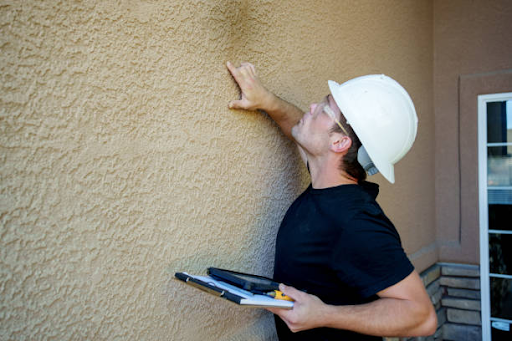

Stucco repair services address the most frequent problems homeowners face with exterior walls in humid, coastal climates like Florida. From hairline cracks to significant structural damage, understanding when repairs are needed versus when full replacement makes sense can save thousands while preserving your home’s appearance and value.
This guide covers the common types of stucco damage, diagnostic steps, and professional repair techniques used by experienced contractors.
Understanding Common Stucco Damage Types
Hairline Cracks vs Structural Cracks
Hairline cracks (less than 1/16 inch wide) typically result from:
- Normal concrete curing and shrinkage
- Minor settling or temperature changes
- Seasonal humidity fluctuations common in Florida
Structural cracks (1/8 inch or wider) often indicate:
- Foundation movement or settling
- Poor drainage around the home’s perimeter
- Underlying framing issues or water intrusion
The repair approach differs significantly between cosmetic fixes and structural remediation.
Moisture-Related Damage
Florida’s humid climate accelerates Florida stucco patching needs through:
- Efflorescence: White mineral deposits from water migration
- Spalling: Surface flaking where moisture freezes behind stucco
- Soft or crumbling areas: Indicating prolonged water exposure
These issues often stem from poor flashing, clogged gutters, or inadequate weep screeds at the foundation.
Step-by-Step Stucco Damage Assessment
Visual Inspection Checklist
Before calling for exterior wall repair, homeowners can perform this basic assessment:
- Walk completely around the house at ground level and from a ladder
- Look for cracks wider than a credit card running vertically or horizontally
- Check window/door corners where stucco meets different materials
- Tap suspect areas—hollow sounds indicate delamination
- Look for discoloration or darkening around cracks (moisture evidence)
Document findings with photos from multiple angles, noting locations relative to windows, doors, and corners.
When to Call Professionals
Immediate stucco crack repair is needed if you observe:
- Cracks wider than 1/8 inch
- Bulging or soft stucco surfaces
- Water stains inside near exterior walls
- Visible rust stains (indicating metal lath corrosion)
Professional Stucco Repair Techniques
Surface Preparation (Critical First Step)
Proper stucco repair services begin with:
- Remove all loose material using a wire brush or pressure washer
- Cut clean edges around damage using a 4-inch angle grinder
- Apply bonding agent to exposed substrate (lath, paper, or concrete)
- Install replacement lath where original wire mesh is damaged
Never fill cracks or patch over soft, unstable surfaces—the repair will fail within months.
Three-Coat Repair Method
Traditional stucco uses three layers, each applied wet-on-wet:
| Layer | Thickness | Purpose |
| Scratch Coat | 3/8″ | Bonds to lath, provides key |
| Brown Coat | 3/8″ | Structural base, screeded level |
| Finish Coat | 1/8″ | Color, texture matching |
Each layer must cure 24-48 hours before the next application.
Color and Texture Matching
The most challenging aspect of Florida stucco patching:
- Take samples from inconspicuous areas for lab color matching
- Practice texture on test panels before final application
- Use same aggregate type as existing stucco for consistent appearance
- Apply finish coat in full sun for proper drying and color development
Florida-Specific Stucco Repair Considerations
Hurricane and Salt Air Damage
Coastal homeowners face unique challenges:
- Salt deposition accelerates lath corrosion
- High-velocity wind creates micro-cracks invisible to the naked eye
- Frequent rain prevents repairs from properly curing
Repairs in these conditions require galvanized or stainless steel lath fasteners and high-bond acrylic finishes.
HOA and Code Compliance
Many Florida communities require:
- Matching existing texture and color exactly
- Use of control joints at proper intervals (144 sq ft maximum)
- Proper flashing and weep screed installation per the 8th Edition Florida Building Code
Prevention: Maintaining Stucco Longevity
Annual Maintenance Checklist
- Clean gutters twice yearly to prevent water cascading down walls
- Caulk expansion joints and window/door perimeters annually
- Trim vegetation touching exterior walls
- Inspect after every storm for new cracks or water intrusion
Early intervention on hairline cracks prevents them from becoming structural issues requiring extensive exterior wall repair.
Conclusion
Stucco repair services combine art and science, requiring proper surface preparation, material knowledge, and climate-specific techniques. Homeowners who understand the difference between cosmetic cracks and structural damage can make informed decisions about timing and scope of repairs.
Regular maintenance and prompt attention to moisture issues extend stucco life significantly while preserving curb appeal and home value. When damage exceeds DIY capabilities or involves structural concerns, professional assessment ensures repairs meet building codes and HOA standards while preventing future failures.