

When storing goods, one size doesn’t fit all. Why do certain products need special care? What risks come with improper storage? And how can the right storage setup protect your investment?
These questions matter because the safety, quality, and value of items can quickly decline if stored incorrectly. In the middle of this process, warehouse storage and shipping solutions play a critical role. Knowing which products require unique conditions or handling can save time, money, and hassle.
Let’s break down the types of goods that demand specialized storage and what makes their needs different.
Temperature-Sensitive Items
Some products simply can’t withstand normal room temperature. For example:
- Food and beverages like fresh produce, dairy, or frozen items must be kept cold or frozen.
- Pharmaceuticals and medical supplies often need strict temperature control to remain effective.
- Chemicals may require cool, stable environments to avoid reactions or spoilage.
Failing to maintain these conditions can ruin products or make them unsafe. That’s why refrigerated or climate-controlled warehouses are essential for these categories.
Fragile and High-Value Goods
Delicate or expensive items call for special storage measures. Think of:
- Glassware, ceramics, and electronics that break easily.
- Artwork, antiques, and jewellery require secure and gentle handling.
These products need padded shelving, shock absorption, or even monitored security systems. Storing them in a standard warehouse risks damage, theft, or loss, which specialized facilities are designed to prevent.
Hazardous Materials
Certain goods pose risks to health, safety, or the environment. These include:
- Flammable liquids and gases
- Toxic chemicals or pesticides
- Corrosive substances
Strict rules govern how these items must be stored, often involving separate areas, ventilation, fire prevention, and staff trained in handling emergencies. Facilities specialized in hazardous storage are set up to comply with these regulations and minimise danger.
Bulky and Oversized Products
Large items need space and special equipment for storage and handling. Examples are:
- Machinery and industrial equipment
- Building materials like lumber or steel beams
- Furniture and large appliances
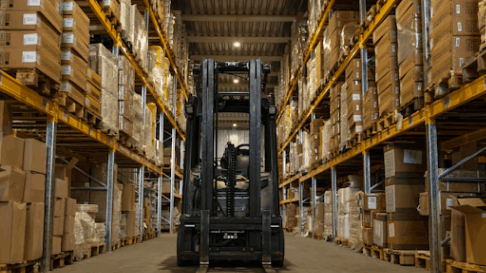
A warehouse designed for bulky goods will have wide aisles, heavy-duty shelving, and forklifts or cranes. Without this, items might get damaged or create safety hazards.
Perishable and Organic Products
Beyond temperature, some products need extra care to avoid spoilage. These can include:
- Fresh flowers and plants need humidity control.
- Organic or natural foods may require pest control and clean environments.
Inappropriate storage leads to loss of freshness or contamination. Specialized storage often incorporates air filtration, humidity regulation, and pest management.
Items Needing Secure or Confidential Storage
Some products require added security or privacy. These might be:
- Legal documents or sensitive paperwork
- High-value electronics or luxury goods
- Medical records or pharmaceutical supplies
Secure warehouse zones use access control, surveillance, and restricted entry to safeguard these goods.
What Makes Specialized Storage Different?
Specialized warehouse storage and shipping involve more than just physical space. Key features often include:
- Climate control regulates temperature and humidity.
- Custom racking and shelving are designed for fragile or bulky items.
- Security systems such as cameras, alarms, and access controls.
- Safety protocols and trained staff for handling hazardous materials.
- Cleanliness and pest control for sensitive food or organic products.
Choosing a facility with these features can prevent costly damage and ensure compliance with regulations.
How to Decide If Your Product Needs Specialized Storage
If you’re unsure whether your goods require unique handling, ask yourself:
- Does the product have strict temperature or humidity needs?
- Is it fragile, valuable, or sensitive to light or air?
- Could it pose health or safety risks?
- Is it unusually large or heavy?
- Does it require secure access or privacy?
If the answer is yes to any, specialised storage is worth considering.
Preparing for Specialized Warehouse Storage
Once you know your products need special care, prepare by:
- Gathering product data sheets or guidelines from manufacturers.
- Discussing your needs upfront with storage providers.
- Ensuring packaging is suitable for the storage conditions.
- Planning for shipping routes and timing to avoid exposure to extreme conditions.
Proactive planning supports smooth warehouse storage and shipping operations.
Benefits of Using Specialized Warehouse Storage and Shipping
Using the right storage solution offers several advantages:
- Product quality and shelf life are preserved.
- Risk of damage, spoilage, or contamination is lowered.
- Regulatory compliance is maintained, avoiding fines.
- Efficiency improves due to proper handling equipment.
- Customer satisfaction increases with timely, intact deliveries.
Investing in tailored storage pays off in many ways.
Final Thoughts: Protect Your Products Wisely
Knowing what kind of products need specialized care helps you make smart storage choices. From temperature-sensitive goods to bulky machinery and hazardous chemicals, each type demands a unique approach. Incorporating warehouse storage and shipping solutions designed for these requirements will keep your goods safe, compliant, and ready for market. Taking the time to assess your inventory’s needs and selecting a fitting facility protects your business and builds trust with your customers.