
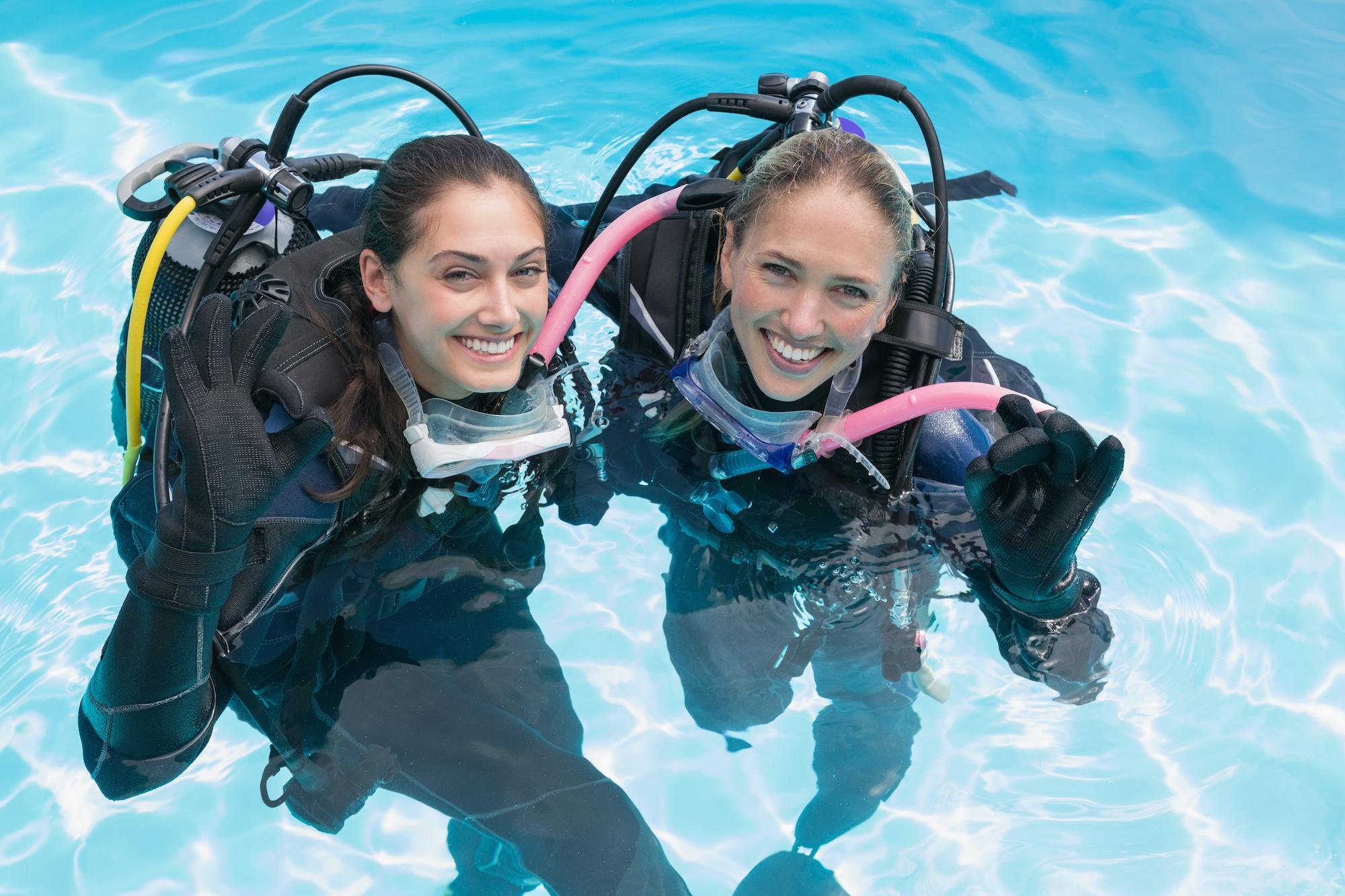

Scuba diving is an exciting adventure that opens up a whole new world beneath the ocean’s surface. If you’re planning to take the PADI Scuba Diver Course, proper preparation can make your learning experience smoother and more enjoyable. Whether you’re taking the course in the stunning waters of the Andaman Islands or elsewhere, these beginner-friendly tips will help you get ready for your underwater journey.
1. Understand What the PADI Scuba Diver Course Covers
The PADI Scuba Diver Course is an entry-level certification designed for beginners who want to experience diving but may not have the time for the full PADI Open Water Diver Course. It covers:
-
Basic dive theory and safety principles
-
Confined water skills (pool or shallow water practice)
-
Open water dives up to a depth of 12 metres (40 feet)
Upon completion, you’ll be certified to dive under the supervision of a PADI Professional, making it a great option for vacation divers.
2. Get Comfortable in Water
While you don’t need to be an expert swimmer, basic swimming skills and water confidence are essential. Before your course:
-
Practice floating and treading water for at least 10 minutes
-
Swim at least 200 metres (any stroke) or 300 metres using a mask, snorkel, and fins
-
Spend time snorkelling to get used to breathing through a mouthpiece
3. Review Medical Requirements
Before starting, you’ll need to complete a PADI Medical Statement to ensure you’re fit for diving. Conditions such as asthma, heart disease, or respiratory issues may require medical clearance. If you have any concerns, consult a doctor before enrolling.
4. Familiarise Yourself with Basic Diving Theory
Your course includes PADI eLearning, which covers topics like:
-
Diving physics (pressure, buoyancy, air spaces)
-
Equipment use and maintenance
-
Underwater communication and signals
Going through the study materials before your first session will help you grasp concepts faster during practical training.
5. Invest in Basic Scuba Gear
While dive centres provide equipment, having personal gear enhances comfort. Consider investing in:
-
A well-fitting mask and snorkel
-
Comfortable fins
-
A wetsuit suited to the water temperature
If you’re taking your course at Dive Andaman, they offer high-quality rental gear, but personal equipment ensures a better fit and familiarity.
6. Practice Breathing Techniques
Scuba diving requires slow, deep breathing to conserve air and stay relaxed underwater. Try these exercises:
-
Diaphragmatic breathing: Breathe deeply into your belly rather than your chest
-
Controlled exhalation: Slowly release air to maintain buoyancy and avoid overexertion
-
Yoga or meditation: Helps improve breath control and reduces anxiety
7. Stay Hydrated and Rested
Dehydration can increase the risk of decompression sickness. Ensure you:
-
Drink plenty of water before and after dives
-
Avoid alcohol or excessive caffeine before diving
-
Get a good night’s sleep to stay alert during training
8. Learn Basic Hand Signals
Since verbal communication isn’t possible underwater, divers use hand signals. Some essential ones include:
-
OK sign: Thumb and index finger forming a circle, other fingers extended
-
Up/down signals: Thumb up for ascent, thumb down for descent
-
Problem signs: Hand waving for distress, pointing to an issue (ear, mask, etc.)
Your instructor will teach these, but familiarising yourself beforehand can be beneficial.
9. Manage Equalisation Techniques
Equalising prevents ear pain due to pressure changes. Practice techniques like:
-
Pinching your nose and gently blowing (Valsalva manoeuvre)
-
Swallowing or yawning to open the Eustachian tubes
-
Tilting your head side to side for better airflow
Practice equalisation in shallow water or while snorkelling to make it second nature.
10. Stay Calm and Enjoy the Experience
It’s natural to feel a mix of excitement and nervousness. Remember:
-
Trust your instructor: They are trained professionals ensuring your safety
-
Take it step by step: Focus on one skill at a time
-
Don’t rush: Move at a comfortable pace, especially during mask clearing or buoyancy control exercises
11. Book Your Course in Advance
If you’re planning to take your PADI Scuba Diver Course in the Andaman Islands, book your course with Dive Andaman in advance. This ensures:
-
Availability of preferred training slots
-
Access to experienced PADI instructors
-
High-quality training equipment and safety measures
12. Respect the Marine Environment
As a diver, you’re an ocean ambassador. Follow responsible diving practices:
-
Do not touch marine life: Corals and animals are delicate
-
Avoid kicking up sand: It reduces visibility for you and others
-
Use reef-safe sunscreen: Protects coral reefs from harmful chemicals
Final Thoughts
Preparing for your PADI Scuba Diver Course ensures a smooth and enjoyable learning experience. By improving your water skills, understanding basic theory, and following these beginner tips, you’ll be well on your way to exploring the underwater world with confidence.
If you’re ready to begin your diving journey, Dive Andaman offers top-notch PADI-certified courses in the breathtaking waters of Havelock and Neil Islands. Book your course today and take your first breath underwater!