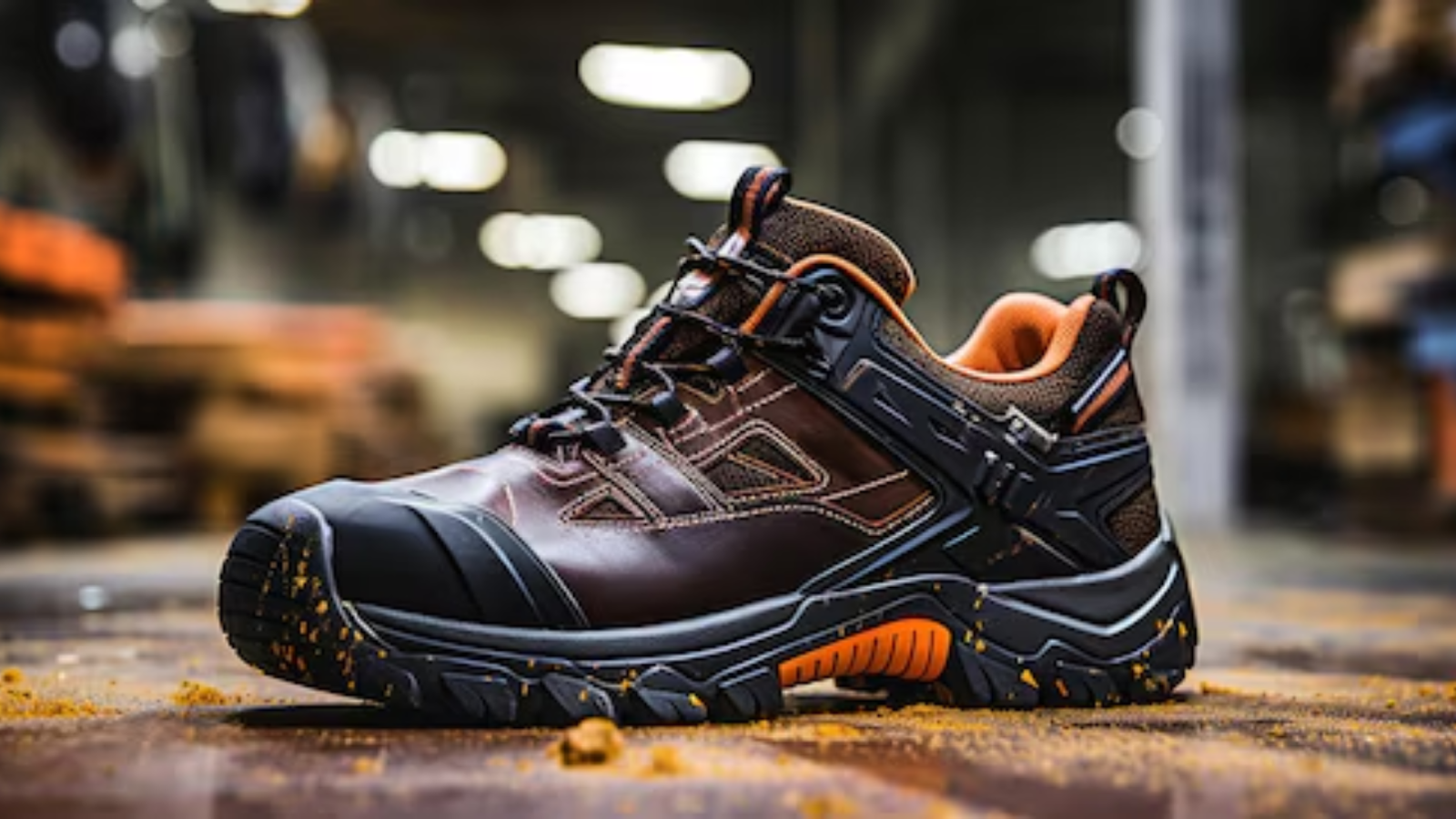

Choosing between steel-toe cap trainers and traditional safety boots isn’t just about comfort—it’s about ensuring your feet are properly protected in hazardous work environments. Both options offer safety features, but do trainers provide the same level of protection as boots?
Some workers prefer trainers because they feel lighter and more flexible, while others trust boots for their durability and full coverage. But when it comes to real workplace dangers—falling objects, sharp materials, and slippery floors—do trainers hold up? That’s where the debate around steel toe cap shoes versus traditional safety boots becomes important.
Here, we’ll compare the key safety aspects of each type of footwear, helping you decide which option best suits your job requirements.
What Safety Features Do Trainers and Boots Share?
Both trainers and boots designed for workplace safety include features that protect against common hazards. These typically include:
- Steel or Composite Toe Caps – Shields feet from falling tools, heavy equipment, and accidental impacts.
- Slip-Resistant Soles – Helps prevent falls on wet, oily, or uneven surfaces.
- Shock Absorption – Reduces foot fatigue and protects joints from strain.
- Puncture-Resistant Midsoles – Prevents sharp objects from piercing through the sole.
At first glance, both seem equally protective, but their structure and durability tell a different story.
Where Do Steel-Toe Cap Trainers Excel?
Steel-toe cap trainers have become popular in workplaces where mobility and comfort are essential. They work well in:
✔ Indoor and Warehouse Jobs – Provides protection without the weight of heavy boots.
✔ Transport and Logistics – Offers flexibility for workers constantly on the move.
✔ Light Manufacturing – Sufficient for environments with minimal exposure to extreme hazards.
Since trainers are lighter and more breathable, they’re ideal for workers who spend long hours walking or standing. However, they may not provide enough coverage for jobs with extreme risks.
Why Safety Boots Still Have the Edge
While trainers can offer impact protection, traditional safety boots remain the top choice for high-risk industries. They provide:
✔ Stronger Ankle Support – Essential for uneven terrains and heavy lifting.
✔ Better Waterproofing – Suitable for outdoor jobs in wet or muddy conditions.
✔ Higher Impact Resistance – Ideal for construction sites and environments with falling debris.
✔ Durability for Harsh Conditions – Lasts longer under heavy-duty use.
For workers exposed to extreme conditions, boots are often the safer and more reliable choice.
Which One Should You Choose?
If you’re unsure which to wear, consider the following:
- Work Environment: Does your job require heavy-duty protection?
- Safety Standards: Does your workplace mandate specific footwear?
- Comfort vs. Protection: Will lighter trainers be enough, or do you need the full coverage of boots?
For jobs with lower risks, steel toe cap shoes in a trainer design may be a suitable choice. But for more hazardous workplaces, safety boots still provide the best protection.
For more information visit:- toptechpublisher