
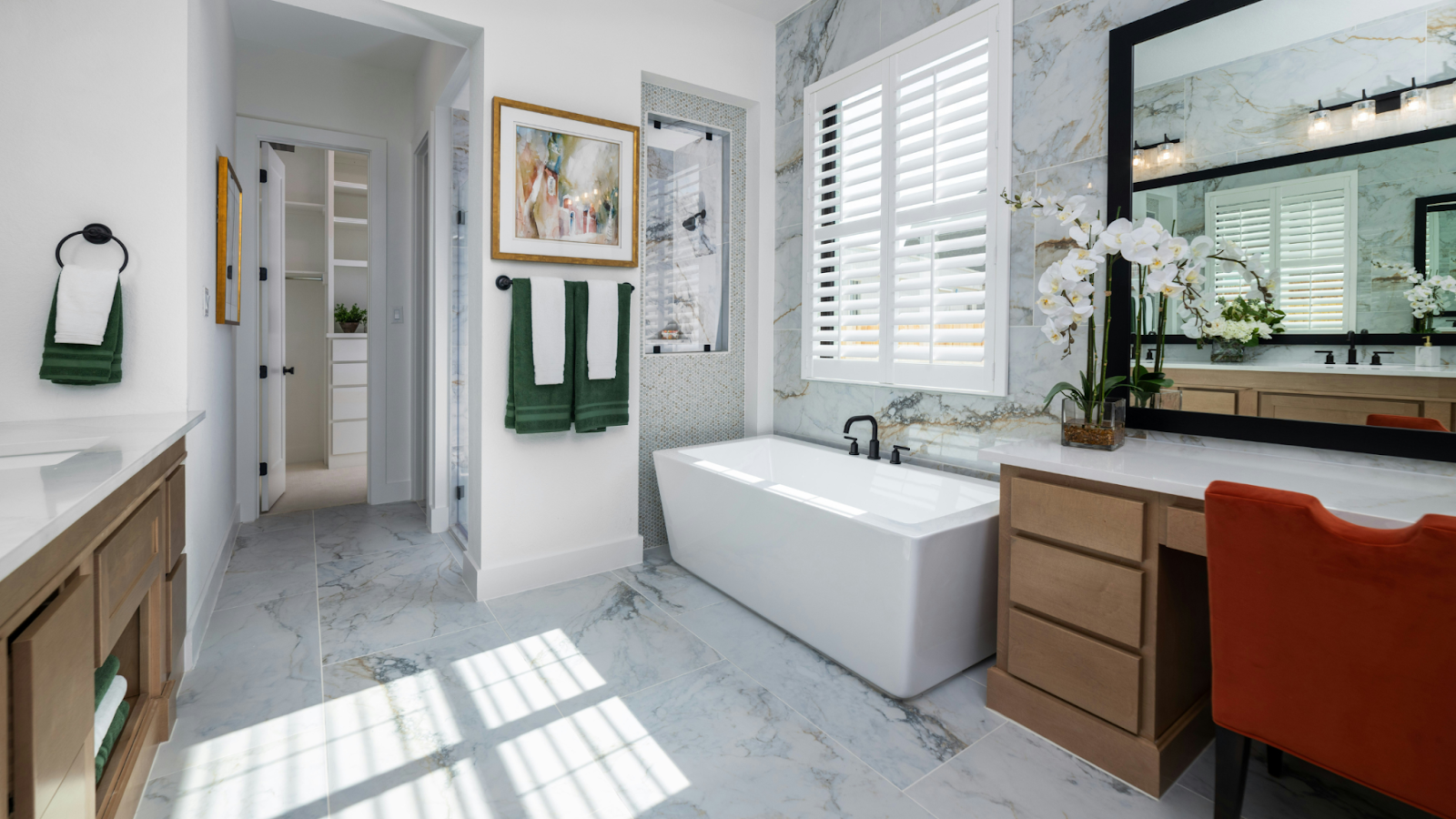

When it comes to upgrading your home, the bathroom is one of the most valuable spaces to invest in. A well-planned bathroom remodel not only enhances comfort and functionality but also increases property value. Among the many design elements, flooring plays a crucial role in defining the look, durability, and maintenance needs of the space. Whether you are planning a full renovation or a partial update, understanding your flooring options is essential. This guide explores the most popular bathroom flooring materials, their pros and cons, and what to consider before making your choice.
Ceramic and Porcelain Tile
Ceramic and porcelain tiles are among the most popular bathroom flooring options. They are water-resistant, durable, and available in a wide range of styles, colors, and finishes. Porcelain tiles are denser and less porous than ceramic, making them more resistant to moisture and staining.
Pros
- Excellent water resistance
- Long-lasting and scratch-resistant
- Easy to clean and maintain
- Versatile design options, including wood-look and stone-look finishes
Cons
- Can feel cold underfoot without underfloor heating
- Slippery when wet unless a textured surface is chosen
- Installation can be labor-intensive and costly
Bathroom remodelers and contractors often recommend porcelain tiles for high-traffic bathrooms due to their superior durability and moisture resistance.
Vinyl Flooring
Vinyl flooring has evolved significantly in recent years, with luxury vinyl planks (LVP) and luxury vinyl tiles (LVT) offering realistic wood and stone appearances. It is budget-friendly, waterproof, and comfortable underfoot, making it a strong choice for families.
Pros
- 100% waterproof when properly installed
- Softer and warmer than tile
- Affordable and easy to install
- Low maintenance requirements
Cons
- Can dent under heavy furniture
- Lower resale value compared to natural stone or tile
- May fade with prolonged sunlight exposure
Homeowners working with bathroom remodelers and contractors often choose vinyl for guest bathrooms or laundry areas, where comfort and water resistance are priorities.
Natural Stone
Natural stone flooring, such as marble, granite, slate, and travertine, offers a luxurious and timeless appearance. Each stone type has unique patterns and textures, creating a one-of-a-kind look.
Pros
- Elegant and unique aesthetic appeal
- Long-lasting with proper maintenance
- High property value contribution
Cons
- Requires sealing to prevent water damage and staining
- Can be expensive to purchase and install
- Slippery when polished and wet
While natural stone is beautiful, bathroom remodelers and contractors emphasize the need for regular maintenance, including sealing and proper cleaning, to preserve its appearance and performance.
Engineered Wood
Engineered wood offers the warmth and character of hardwood flooring while being more resistant to moisture. It features a real wood veneer over a plywood base, making it more stable than solid hardwood in humid environments.
Pros
- Warm and inviting look
- More moisture-resistant than solid hardwood
- Can be refinished once or twice depending on the veneer thickness
Cons
- Still vulnerable to prolonged moisture exposure
- Higher cost than vinyl or laminate
- Limited refinishing capability compared to solid hardwood
Homeowners who want a cozy, spa-like bathroom often consider engineered wood but must ensure proper ventilation and moisture control.
Concrete Flooring
Concrete is a modern, minimalistic flooring option that offers durability and customization. It can be stained, polished, or textured to suit a variety of design preferences.
Pros
- Extremely durable and long-lasting
- Customizable colors and finishes
- Works well with underfloor heating systems
Cons
- Hard surface can be uncomfortable for long standing periods
- Can crack over time without proper installation
- Requires sealing to prevent staining and moisture issues
For contemporary designs, concrete can be both a functional and aesthetic choice, especially when paired with sleek fixtures and lighting.
Cork Flooring
Cork is an eco-friendly flooring material known for its comfort and warmth. It is naturally resistant to mold, mildew, and pests.
Pros
- Soft and comfortable underfoot
- Sustainable and renewable material
- Provides natural insulation against heat and sound
Cons
- Needs sealing to resist moisture
- Can fade in direct sunlight
- Prone to denting under heavy objects
While cork offers comfort, homeowners must be diligent with sealing and moisture control to prevent damage in humid bathrooms.
Choosing the Right Material
When selecting bathroom flooring, consider:
Moisture Resistance
Bathrooms are high-moisture areas, so water resistance should be a top priority.
Durability
Choose a material that can handle daily use without showing excessive wear.
Maintenance Needs
Some materials require more care and sealing than others.
Budget
Balance upfront costs with long-term maintenance expenses.
Style Preferences
Flooring sets the tone for the bathroom’s overall aesthetic.
By consulting experienced bathroom remodelers and contractors, homeowners can ensure they select the right flooring that aligns with their functional needs, budget, and style goals. Proper installation and maintenance are key to extending the life and beauty of the chosen material.