
The Jawa Perak and Jawa 42 bring two different interpretations of classic motorcycling to Indian roads. The Perak is a distinctive bobber-style machine for buyers who prioritise a striking low-slung design, while the Jawa 42 is a more conventional roadster that can be easier to accommodate in varied daily situations. Value depends less on which motorcycle has the larger engine and more on passenger needs, ergonomics, local service and resale plans. Their common heritage should not hide the substantial differences in intended use.
Start with What Each Motorcycle Is Designed to Do
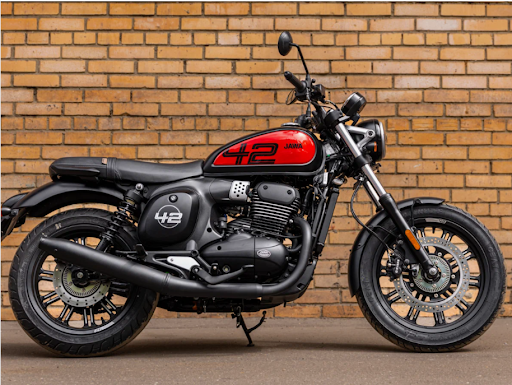
The Jawa 42 has a traditional motorcycle outline, a separate passenger space and a six-speed geared layout. The Perak is shaped around the bobber idea, which puts a low individual seat, unusual rear treatment and minimalist presentation at the centre of the design. This visual difference affects practicality. A buyer who often rides with a family member should confirm whether the desired Perak configuration is suitable for that purpose rather than assuming an accessory can create equivalent accommodation.
| Buyer requirement | Jawa 42 | Jawa Perak |
| Everyday design | Conventional roadster | Bobber-inspired minimalist layout |
| Passenger practicality | Conventional two-person configuration | Verify suitability of the exact configuration |
| Engine family | 294.7 cc liquid-cooled single | 334 cc class liquid-cooled single |
| Typical buying reason | Flexible daily and leisure use | Distinctive solo-riding character |
Someone riding alone for pleasure may enjoy the Perak’s distinctive style and seating feel. Someone travelling daily to work, carrying a bag and occasionally taking a passenger may find the 42’s more familiar roadster packaging simpler. Looking at photographs from the side is not enough; both motorcycles should be examined from the rider’s seated position.
Engine Differences and Riding Character
The modern Jawa 42 uses a liquid-cooled, single-cylinder engine of around 294.7 cc, with manufacturer specifications indicating approximately 27.3 PS and 26.8 Nm. The Perak has traditionally used a larger 334 cc liquid-cooled single. Exact Perak output and emissions details depend on the generation, so a prospective buyer should confirm the current or used vehicle’s official specification rather than assuming the figures of an old brochure remain unchanged.
Capacity alone does not reveal where the power is delivered. Gearing, throttle response, motorcycle weight and tyre profile change the experience. During demonstration rides, assess smooth take-off, the ease of engaging low gears and how the engine responds when speed drops. A larger number on paper is not always more useful than a controllable motorcycle in Indian traffic.
The Seating Arrangement Changes Everything
The Jawa 42’s conventional seating makes it a natural candidate for mixed everyday use, although passengers should still evaluate the space available. The Perak’s solo bobber presentation offers a very different relationship between rider and motorcycle. Its low seat can be visually inviting, yet the distance to the handlebar and the bend at the knee need to feel comfortable over time.
Ask to sit on both for several minutes before taking a ride. Test reach to the ground while wearing normal riding shoes and check whether the foot controls are easy to operate. A low seat does not automatically mean easy balance because vehicle mass and seat width influence confidence. For a rider with back or knee discomfort, an extended test may reveal problems that remain hidden during a short showroom inspection.
Suspension and Ground-Clearance Considerations
The two motorcycles have different rear-end layouts and suspension presentations. A bobber’s distinctive look should prompt careful questions about how it copes with speed breakers, potholes and uneven parking entrances. The Jawa 42 uses a more traditional twin-shock arrangement, while the Perak’s construction supports its pared-back appearance. Neither design should be judged solely on the number of visible suspension components.
Take the motorcycle over ordinary broken surfaces at a sensible pace and notice whether impacts feel harsh or controlled. Examine available ground clearance for your most common routes. Where steep ramps are unavoidable, ask the dealer whether the bike is likely to scrape at normal approach angles. The best riding experience is not just an attractive silhouette but the ability to travel without constant worry about obstacles.
Tyres, Brakes and the Cost of Distinctiveness
Check the exact brake and anti-lock braking arrangements on the chosen year and variant. The Jawa 42 has appeared with single-channel and dual-channel ABS configurations, depending on trim. For the Perak, request model-specific confirmation. Tyre sizes can also differ. A more distinctive wheel or tyre combination may look excellent but could be less readily available in a smaller town.
Inspect wheel condition carefully when considering a used example. Bent rims, aged tyres or neglected brake fluid can create unexpected expenses. Ask the workshop for estimates for the actual tyre sizes and brake components, not a generic Jawa service package. Good braking depends on grip and maintenance, and a rider should avoid treating ABS as permission to ride aggressively on a loose surface.
Price Should Reflect the Way You Will Use the Bike
Purchase cost depends on model year, availability, trim and city. A used Perak may appear attractive compared with a newer Jawa 42, but the asking amount does not reveal its maintenance history or future repair expense. Ask for a detailed valuation based on odometer reading, tyre age, service bills, accident repairs and original equipment. For a new motorcycle, request the manufacturer’s current ex-showroom quotation and a separate list of payable charges.
Consider ownership over several years. A Jawa 42 bought for daily use may justify its price through practical flexibility; a Perak chosen mainly for weekend pleasure may provide value through its unique look and feel. The right measure is the satisfaction and utility you will actually receive, not an attempt to declare one model the winner based on a single figure.
What Local Support Should a Buyer Verify?
Before paying a booking deposit, locate the authorised service centre that will handle periodic maintenance. Ask whether common wear items, body panels and model-specific suspension parts are routinely stocked or ordered. For a pre-owned Perak, service records are particularly valuable because modifications may be more tempting on a custom-styled machine. Improper alteration can change handling or complicate warranty and insurance matters.
Confirm whether manufacturer-approved accessories exist for the exact version. An aftermarket seat, exhaust or luggage frame should not be assumed to preserve the bike’s original load limits or legal compliance. If buying on finance, compare the total cost of credit and early-repayment conditions. A dramatic-looking motorcycle is not worth a borrowing commitment that leaves little budget for maintenance.
Should You Pick the Perak or the Jawa 42?
Choose the Jawa 42 when everyday flexibility, conventional passenger arrangements and a familiar roadster posture are important. Consider the Jawa Perak when its individual bobber styling is central to the experience and it genuinely suits your single-rider use. Test both on a representative route, verify the exact version’s equipment and assess local parts support. The more valuable motorcycle is the one whose compromises you can accept each day, not the one that receives more attention when parked.