

A symptom can be real and disruptive even when there is nothing obvious to see on the outside of the body. Pain, weakness, swelling, changes in movement, digestive problems or other concerns may have many possible causes. Doctors investigate these situations by building a picture from several kinds of information rather than relying on one test to provide an instant answer.
The process often begins with the patient’s description of what has changed. Timing, location, severity, triggers, associated symptoms and relevant medical history can all shape the next step. A physical examination may then look for tenderness, reduced movement, changes in sensation or other signs that help narrow the possibilities. In some cases, blood tests or other laboratory tests are useful because they can point towards inflammation, infection or another process that cannot be judged by appearance alone.
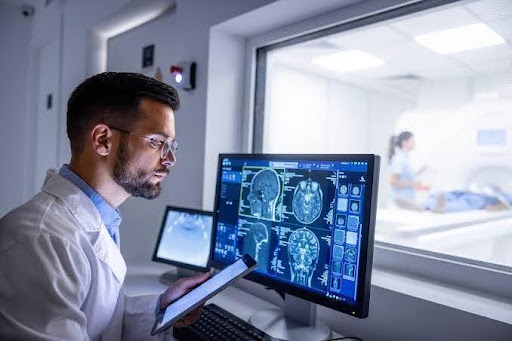
Imaging may be considered when a doctor needs to look at structures inside the body. Medical imaging services can produce different kinds of information depending on the examination requested. One test may be better suited to bones, another may give more detail about certain soft tissues, and another may be chosen because it answers a specific clinical question quickly. The choice is based on what the clinician is trying to find out, not simply on which scan sounds most advanced.
A scan does not replace the earlier stages of assessment. Images need context. A finding that looks important in one patient may have a different meaning in another person with different symptoms, history or previous results. Likewise, an image can sometimes show changes that are unrelated to the current complaint. For this reason, the referring doctor and imaging specialist consider scan findings alongside the rest of the clinical information rather than treating an image as a complete diagnosis by itself.
Sometimes the first round of assessment does not identify one clear cause. That does not automatically mean that something serious has been missed. Some symptoms change over time, some conditions are diagnosed by excluding other possibilities, and some problems become clearer only when the pattern develops. A doctor may monitor the situation, adjust the investigation, or request another type of test if the original question remains unanswered.
The order of investigations can also matter. Doctors often choose the next test according to what the earlier assessment has made more or less likely. This can prevent patients from going through several examinations that are unlikely to answer the main question. If symptoms point in a new direction, the plan may change. A later test can therefore be different from the one a patient first expected without meaning that the earlier assessment was careless or incomplete.
Medical imaging services can also be used to compare current findings with earlier studies when previous images are available. That comparison may help show whether an observed feature is new, stable or changing. Patients can support this process by giving a history and telling the clinic where relevant previous scans were performed, especially if records are held by different providers.
Patients can help by keeping track of when symptoms occur, what seems to trigger them and what has changed since the last appointment. They should also mention previous diagnoses and relevant tests, even when those tests were normal. A normal earlier result may still be useful because it shows what was not present at that time. Clear information allows the clinician to decide whether observation, treatment, referral, laboratory testing or imaging is the most appropriate next step.
The investigation is therefore a sequence of decisions rather than a single search for a hidden object. The doctor starts with the symptom, considers likely explanations, looks for evidence and then updates the plan as new information arrives. Medical imaging services are one part of that process when internal structures need to be assessed. Patients who understand this step-by-step approach may find it easier to see why different tests are ordered, why some are not needed, and why follow-up with the referring clinician remains important after the images have been taken.


