
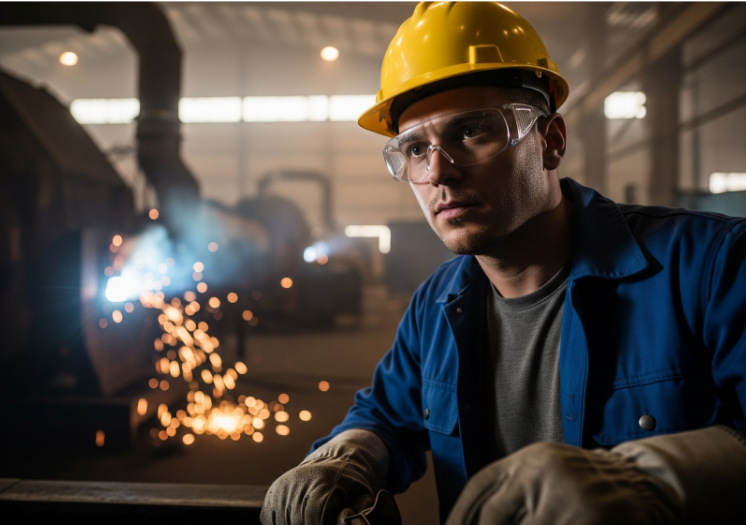

Eye injuries can occur in a matter of seconds, often without warning. Wearing appropriate safety eye glasses significantly reduces the risk of damage from flying particles, chemical splashes, and other hazards. While many people associate protective eyewear only with industrial sites, eye protection is equally important in laboratories, workshops, and even at home during common tasks. Understanding when and how to use safety glasses helps preserve vision and prevent avoidable accidents.
Common Situations That Require Eye Protection
In workplaces such as construction sites, factories, and warehouses, airborne debris is a constant threat. Grinding, cutting, drilling, and welding can all produce particles that travel at high speed. Without protective eyewear, these particles can scratch or penetrate the eye surface, leading to pain, infection, or permanent damage.
Chemicals used in cleaning, manufacturing, or laboratory work present another risk. Splashes from liquids or fumes can injure delicate eye tissues. Even in home environments, tasks like using strong cleaning agents, trimming plants, or operating power tools create potential hazards. In all these situations, dedicated safety goggles or safety glasses provide a crucial barrier.
Features of Quality Safety Eye Glasses
Not all eye protection is equal. Effective protective eyewear is built from impact‑resistant materials, often polycarbonate, which can withstand forces far beyond those tolerated by standard fashion eyeglasses. Many safety glasses are tested to meet specific industrial standards, indicating they have been evaluated for impact and coverage.
A good pair of safety eye glasses should wrap slightly around the sides of the eyes or include side shields to prevent particles from entering from the periphery. For chemical handling, sealed goggles that fit closely around the eye area offer additional protection against splashes and vapors.
Comfort and Fit for Long-Term Use
Comfort is essential if people are expected to wear safety glasses consistently. Lightweight designs, adjustable nose pads, and flexible temples help glasses sit securely without creating pressure points. When workers or home users find their protective eyewear uncomfortable, they are more likely to remove it, increasing the risk of injury.
Anti‑fog coatings and adequate ventilation are also important, especially in warm or humid environments. Fogged lenses can obscure vision and create safety problems of their own. Many modern safety goggles include vents or special lens treatments that reduce fogging while maintaining protection.
Prescription Options and Over-Glasses Designs
Individuals who already wear prescription glasses often wonder how to combine vision correction with eye protection. There are two main solutions. Prescription safety glasses are custom‑made with correction lenses built into safety‑rated frames. This option offers excellent comfort and clarity, particularly for regular use at work.
Alternatively, over‑glasses safety goggles are designed to fit comfortably over most prescription frames. These are practical for occasional use or shared environments where multiple people may need to borrow protective eyewear. Ensuring that over‑glasses designs do not press tightly on the underlying frames improves comfort during longer tasks.
Eye Protection in Non-Industrial Settings
Eye safety is not limited to factories and building sites. Hobbyists working with woodworking tools, metalwork equipment, or home repair tools also face risks. Even everyday activities, such as mowing the lawn or using a high‑pressure cleaner,s can send debris or droplets toward the eyes.
Children should also be protected during certain activities, such as science experiments, sports with high‑speed balls or rackets, and craft projects involving cutting, sanding, or glueing. Providing appropriately sized safety eyeglasses teaches good habits and reduces the chance of childhood eye injuries.
Creating a Culture of Eye Safety
Providing quality safety goggles is only part of the solution; consistent use must be encouraged. Workplaces benefit from clear policies, training, and visible reminders about when and where eye protection is required. Supervisors and experienced staff can reinforce good habits by wearing their own safety glasses correctly at all times.
At home, storing safety eyewear in easily accessible locations—near tools, cleaning supplies, or garden equipment—makes it more likely that people will use it when needed. Treating eye protection as automatically as putting on gloves or sturdy shoes helps build lasting safety habits.
Conclusion
Safety eye glasses play a vital role in protecting one of the body’s most delicate and valuable organs. Whether in industrial environments, laboratories, workshops, or homes, high‑quality protective eyewear significantly reduces the risk of eye injury from impact, chemicals, and debris. By choosing well‑designed safety goggles, ensuring proper fit, and promoting consistent use, individuals and organizations can safeguard vision and maintain safer working and living environments.