
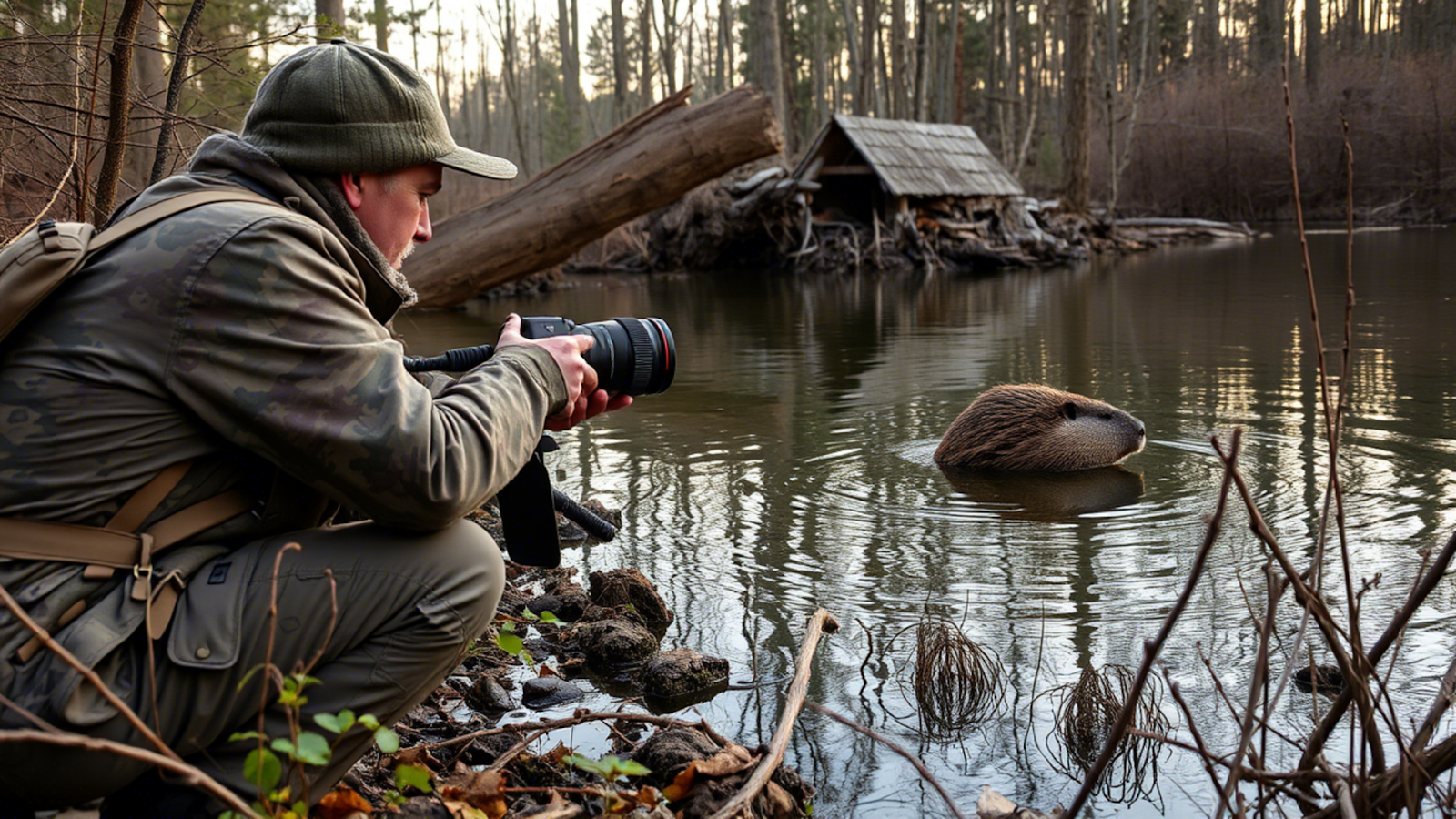

Beavers are fascinating subjects for wildlife photography. Their industrious nature, impressive engineering skills, and expressive behaviors make them a rewarding challenge to capture. However, photographing these elusive creatures requires patience, knowledge of their habits, and the right techniques. Whether you’re a seasoned photographer or a beginner, this guide will help you find beavers in the wild and capture stunning images.
Best Locations to Photograph Beavers
Beavers are found throughout North America, Europe, and parts of Asia, primarily near freshwater habitats. Here are some of the best places to spot and photograph them:
North America
Rocky Mountain National Park, USA
Beavers thrive in the park’s rivers and ponds, especially at dawn and dusk.
Algonquin Provincial Park, Canada
Known for its abundant wildlife, this park offers excellent beaver-watching opportunities.
Yellowstone National Park, USA
Beaver activity is common along rivers and streams, particularly in the Lamar Valley.
Europe
Białowieża Forest, Poland
One of Europe’s last primeval forests, home to a thriving beaver population.
Scotland’s River Tay
Beavers were successfully reintroduced here, making it a great spot for photography.
Wetlands and Nature Reserves
Many wildlife reserves and wetlands protect beaver habitats. Research local conservation areas or join wildlife photography workshops to gain access to prime locations with expert guidance.
Understanding Beaver Behavior for Better Shots
To photograph beavers effectively, you must understand their daily routines:
Dawn and Dusk Activity
Beavers are crepuscular, meaning they’re most active during early mornings and late evenings.
Dam and Lodge Building
Look for freshly gnawed trees, mud slides, and dams. These are signs of recent activity.
Feeding Habits
Beavers feed on bark, twigs, and aquatic plants. Positioning yourself near food sources increases your chances of sightings.
Essential Gear for Beaver Photography
Camera & Lens
A DSLR or mirrorless camera with a telephoto lens is ideal for capturing beavers from a distance without disturbing them.
Tripod or Monopod
Essential for stability, especially in low-light conditions.
Waterproof Gear
Beavers live in wet environments, so protect your equipment with rain covers and dry bags.
Camouflage Clothing
Blend into the surroundings to avoid startling your subjects.
Photography Techniques for Stunning Beaver Shots
Use Natural Light to Your Advantage
Since beavers are active during low-light hours, mastering golden hour photography is crucial. Shoot in aperture priority mode (f/5.6-f/8) to balance depth of field and shutter speed.
Focus on Behavior and Action
Capture dynamic moments like:
- Beavers gnawing on trees
- Swimming with branches
- Slapping their tails on water (a warning signal)
Experiment with Reflections
Beavers often swim in calm waters, creating beautiful mirrored images. Position yourself at water level for the best reflections.
Shoot from a Blind or Kayak
A camouflage blind allows close-up shots without disturbance. Alternatively, a kayak lets you approach quietly from the water.
Ethical Considerations
Respect wildlife by maintaining a safe distance. Avoid using flash, as it can startle beavers and disrupt their natural behavior. Follow local guidelines and consider joining wildlife photography workshops to learn ethical practices from professionals.
Post-Processing Tips
Enhance your beaver photos with subtle edits:
- Adjust exposure and contrast to highlight textures in fur and water.
- Use noise reduction for low-light shots.
- Crop for better composition while keeping the scene natural.
Final Thoughts
Photographing beavers requires patience, research, and the right techniques. By understanding their behavior, choosing the right locations, and using proper gear, you can capture breathtaking images of these remarkable animals. For hands-on learning, consider enrolling in wildlife photography workshops to refine your skills under expert guidance.
Now grab your camera, head to the nearest beaver habitat, and start shooting! The perfect beaver shot is waiting for you.
For more information visit:- toptechpublisher