
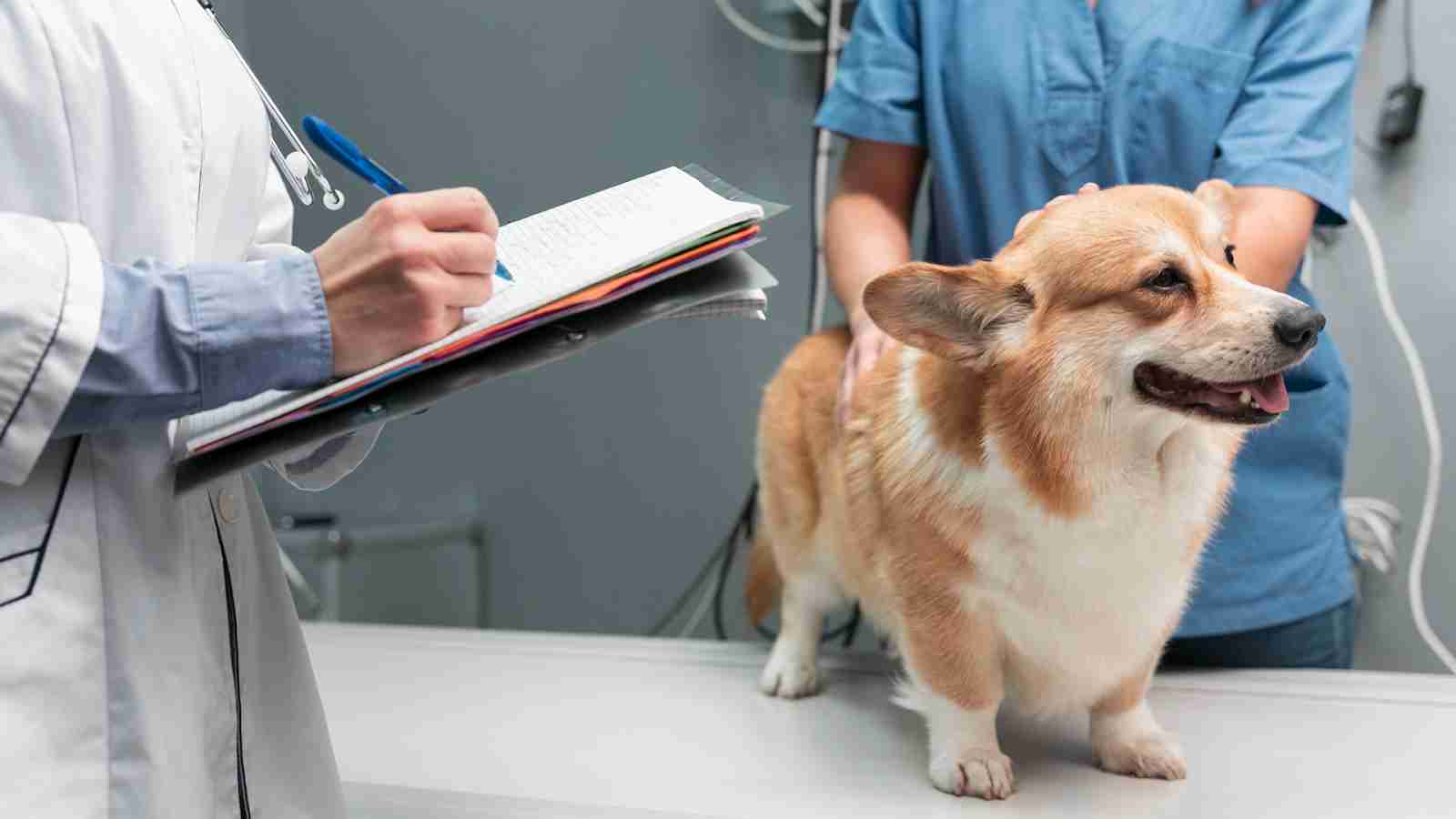

When your pet suddenly starts limping, shaking, or behaving strangely, it can be scary and confusing. Sometimes, the issue goes beyond bones and muscles—it’s the nervous system.
That’s when a vet neurologist steps in. But if you’ve never visited one before, it’s natural to feel anxious about what will happen. Let’s walk through what you can expect during your pet’s visit so you can feel prepared and confident.
1. The Purpose of Visiting a Vet Neurologist
A vet neurologist specializes in diagnosing and treating conditions that affect your pet’s brain, spinal cord, nerves, and muscles. These professionals are like the brain and spine doctors for animals. Your regular vet might refer you to a neurologist if they notice symptoms such as:
- Sudden loss of balance or coordination
- Seizures or twitching
- Back or neck pain
- Sudden paralysis or weakness in the legs
- Unexplained changes in behavior or vision
The neurologist’s job is to figure out why these symptoms are happening and how to manage or treat them effectively.
2. The Initial Consultation
When you arrive for your appointment, the visit typically begins with a detailed discussion about your pet’s medical history. Be ready to answer questions like:
- When did you first notice the symptoms?
- Have there been any recent injuries, infections, or changes in diet?
- Has your pet been taking any medications?
It helps to bring all previous vet records, X-rays, or lab reports. The more information you provide, the easier it will be for the neurologist to understand your pet’s health background.
After this discussion, the neurologist will observe your pet’s behavior and body movements before performing a hands-on neurological examination.
The Neurological Exam
This part may look similar to a regular vet checkup, but it focuses on the nervous system. The neurologist will evaluate your pet’s:
- Reflexes (by gently tapping or touching certain areas)
- Muscle strength and tone
- Balance and coordination
- Eye movements and vision
- Response to touch and sound
The goal is to pinpoint where in the nervous system the problem might be—whether it’s in the brain, spinal cord, or peripheral nerves. Even simple reactions, like how your pet moves its head or tail, can provide valuable clues.
4. Diagnostic Testing
Once the neurologist has an idea of the problem area, they may recommend diagnostic tests. These help confirm the suspected issue and plan the right treatment. Common tests include:
- MRI (Magnetic Resonance Imaging): Gives a detailed view of the brain and spine.
- CT Scan: Useful for evaluating bone structures or injuries.
- Spinal Tap (CSF Analysis): Collects spinal fluid to check for inflammation or infection.
- Blood Tests: Helps rule out infections, toxins, or metabolic issues.
- Electrodiagnostic Tests (EMG/EEG): Measure electrical activity in muscles or the brain.
Don’t worry—most pets undergo these tests under anesthesia or sedation, ensuring they don’t feel discomfort.
5. Diagnosis and Treatment Options
Once test results come in, the neurologist will explain the diagnosis in simple terms. They’ll discuss what’s causing your pet’s symptoms and outline the best treatment plan. Depending on the condition, treatment options might include:
- Medications: For controlling seizures, inflammation, or pain.
- Surgery: In cases like herniated discs or tumors that need physical correction.
- Physical Therapy: To rebuild strength, improve mobility, and support recovery.
- Lifestyle Adjustments: Diet changes, activity limitations, or assistive devices like wheelchairs.
Every pet’s situation is unique, so the neurologist will tailor the treatment based on your pet’s needs and overall health.
What Happens After the Visit
After diagnosis and treatment planning, you’ll receive detailed home care instructions. Follow-up appointments may be necessary to track your pet’s progress or adjust medications. Some pets recover quickly, while others might need long-term management—especially for chronic neurological conditions.
Your neurologist may also work closely with your primary vet to ensure continuity of care. This teamwork approach helps monitor your pet’s health from all angles, ensuring nothing is overlooked.
Final Thoughts
A visit to a vet neurologist might sound intimidating at first, but it’s actually a vital step toward understanding your pet’s health. These specialists use advanced tools and knowledge to uncover hidden problems that general exams can miss.
Whether it’s a simple nerve issue or a complex neurological disorder, early diagnosis and specialized care can make a world of difference. With the right support and treatment plan, many pets go on to live happy, active lives—even after serious neurological challenges.
Your pet depends on you for love and care—and seeking expert help is one of the most loving things you can do.