
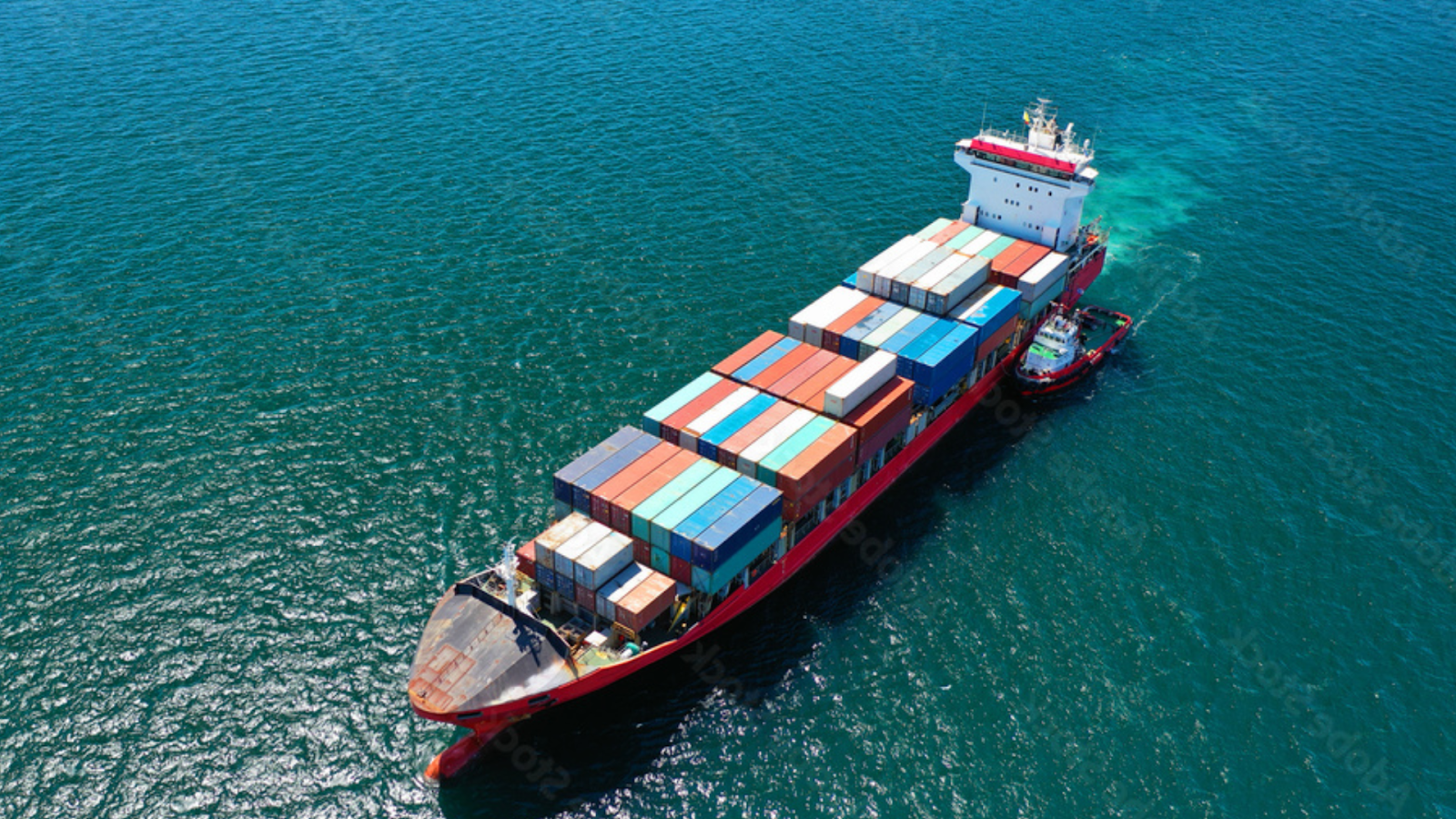

Shipping goods across the world is a critical part of international trade, but businesses often face fluctuating shipping costs that can impact profit margins. One day, freight rates seem manageable, and the next, they spike due to unexpected market conditions. These constant changes make it difficult to plan logistics expenses accurately.
Understanding what influences the cost of an ocean freight service can help businesses make informed decisions and optimize their shipping strategies. Many factors, from fuel prices to container availability, play a role in determining freight costs. To help you navigate these pricing fluctuations, here’s a breakdown of the key elements that shape the cost of ocean freight shipping.
Type Of Shipment
The nature of the cargo being shipped significantly impacts freight rates. Certain types of goods require special handling, temperature control, or hazardous material certifications, all of which add to shipping costs.
✔ Full Container Load (FCL) Vs. Less Than Container Load (LCL) – FCL shipments provide exclusive use of a container, which is often cost-effective for large shipments. LCL shipments, where multiple businesses share container space, may have lower upfront costs but include additional handling fees.
✔ Refrigerated Or Hazardous Goods – Perishable items, chemicals, and hazardous materials require specialized containers and additional safety measures, increasing the total shipping cost.
Distance And Route Complexity
The distance between the origin and destination is a major cost driver. Longer routes naturally incur higher fuel, port, and operational expenses. However, the complexity of a shipping route also affects pricing.
✔ Direct Routes Vs. Transshipment – Direct shipping is faster but may be costlier than transshipment, where goods are transferred at an intermediate port.
✔ Port Congestion And Delays – Some ports experience heavy traffic, leading to additional storage and waiting charges.
Container Availability And Equipment Costs
A shortage of containers can drive up freight costs, especially during peak shipping seasons. If there’s high demand for specific container types, such as refrigerated or high-cube containers, businesses may need to pay premium rates. The global container imbalance also affects availability—when containers pile up in certain regions while being scarce in others, repositioning costs are passed on to shippers.
Fuel Prices And Bunker Surcharges
Fuel is a major operational expense for shipping companies. When fuel prices rise, so do freight rates. Shipping lines apply bunker adjustment factors (BAF) or fuel surcharges to offset these costs. The volatility of fuel prices means businesses should anticipate potential fluctuations when budgeting for an ocean freight service.
Seasonal Demand And Market Fluctuations
Shipping costs are often influenced by market demand. Certain periods see a surge in cargo movement, driving up freight rates due to limited vessel space.
✔ Peak Season (August To October) – This period sees a surge in shipping demand due to holiday inventory stocking, leading to higher rates.
✔ Chinese New Year And Other Holidays – Factory closures and increased shipments before major holidays cause supply chain disruptions and rate fluctuations.
Port Fees And Customs Charges
Every port has its own set of fees, which contribute to the total cost of shipping. These can include terminal handling charges, security fees, and customs duties. Additionally, different countries impose various import/export regulations, impacting the total cost businesses must bear when shipping internationally.
Carrier Selection And Service Levels
Not all shipping carriers offer the same rates or service levels. Premium carriers with faster transit times and superior reliability typically charge higher fees. Businesses must balance cost and service quality when selecting a carrier for their ocean freight service.
Cargo Insurance And Risk Management
While not mandatory, cargo insurance is highly recommended to protect shipments from potential loss or damage. Insurance costs vary depending on the cargo value, destination, and risk factors associated with specific shipping routes. Choosing the right level of coverage adds to shipping expenses but ensures financial protection against unforeseen incidents.
Currency Exchange Rates
Since freight charges are often quoted in US dollars, currency fluctuations can impact the final cost for businesses operating in other currencies. Exchange rate variations can either increase or decrease freight expenses, making it crucial for companies to monitor foreign exchange trends.
Final Thoughts
The cost of an ocean freight service is influenced by multiple factors, from cargo type and shipping route to fuel prices and seasonal demand. Businesses that stay informed about these cost drivers can better plan their logistics, negotiate competitive rates, and optimize supply chain expenses.
By understanding these variables and working with a reliable freight forwarder, companies can secure cost-effective shipping solutions and maintain smooth global trade operations.
Read more: toptechpublisher.com