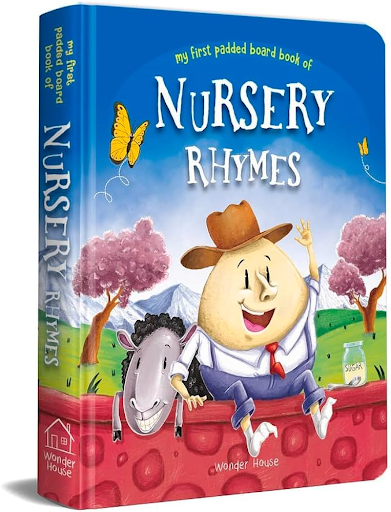

Nursery rhymes have been a staple of childhood for generations, offering both entertainment and educational value.
They are an essential part of early childhood development, helping young children with language acquisition, rhythm, and memory.
In fact, according to the Australian Bureau of Statistics (ABS), early childhood education plays a vital role in cognitive development, with a significant number of Australian parents incorporating literacy-based activities, such as reading nursery rhymes, into their children’s routines.
A study by the Australian Early Development Census (AEDC) found that children who are exposed to reading and singing early in life are more likely to develop strong language skills, a love for learning, and a solid foundation for academic success.
Nursery rhyme books are a great way to introduce children to the world of reading, as they combine rhythm, repetition, and illustrations to keep kids engaged while learning.
Whether you’re looking for classic rhymes or fresh takes on old favourites, there is a vast array of nursery rhyme books to choose from. In this article, we’ll explore the top nursery rhyme books for kids that combine fun, learning, and timeless charm.
Why Nursery Rhymes Are Important for Early Childhood Development
Before diving into our list of top nursery rhyme books, it’s important to understand why these books are such an essential part of a child’s early education. Nursery rhymes are much more than just catchy songs or simple poems—they provide a range of developmental benefits:
- Language Development: Repeating nursery rhymes helps children become familiar with sounds, words, and phrases. The rhythm and repetition make it easier for young minds to absorb new vocabulary, improving their language and speaking skills.
- Cognitive Skills: Nursery rhymes help develop memory and recall. Children who recite rhymes regularly improve their ability to memorise patterns and sequences, which is a key skill in early childhood development.
- Listening Skills: Listening to the rhythm and melody of nursery rhymes teaches children to focus and listen carefully. They also help with recognising patterns, which aids in learning other concepts such as numbers, letters, and shapes.
- Emotional Connection: Singing nursery rhymes together builds emotional bonds between parents and children. The shared experience of reading and singing fosters a sense of security and connection.
- Cultural and Historical Awareness: Many nursery rhymes have historical and cultural significance, offering children a glimpse into traditions, folklore, and societal values that have been passed down through generations.
Top Nursery Rhymes Books for Kids
Now that we’ve highlighted the importance of nursery rhymes, let’s dive into some of the best nursery rhymes books for kids available today. Whether you’re after a timeless classic or a new release, there’s a perfect option for every child to enjoy.
1. “The Classic Treasury of Nursery Rhymes” by Nicola Baxter
This beautifully illustrated book compiles some of the most beloved nursery rhymes, from “Twinkle, Twinkle, Little Star” to “Humpty Dumpty” and “Jack and Jill.” The easy-to-read text and vibrant illustrations make it a perfect choice for younger children who are just starting to recognise words and sounds.
- Why it’s great: The book is a wonderful introduction to the world of nursery rhymes, offering a variety of familiar and less-known rhymes. The traditional artwork and rhythm are both comforting and entertaining for young kids.
- Recommended Age: 2-5 years
2. “The Very Best Nursery Rhymes” by Colin and Jacqui Hawkins
This collection features timeless nursery rhymes with bright, playful illustrations that captivate the imagination. From “Baa Baa Black Sheep” to “Hey Diddle Diddle,” this book brings classic rhymes to life in a way that will engage young readers. The humour and lively visuals are perfect for holding children’s attention.
- Why it’s great: It’s a beautifully illustrated book with bold pictures that add a modern twist to the traditional rhymes. The text is easy for children to follow, helping with both reading and memorisation.
- Recommended Age: 3-6 years
3. “My First Nursery Rhymes” by Tiger Tales
This board book is a perfect choice for toddlers who love to explore books with their hands. It features simple and well-loved nursery rhymes, with easy-to-turn pages and fun illustrations that will keep your little one entertained. The sturdy pages make it ideal for babies and toddlers who are still exploring books physically.
- Why it’s great: The tactile design of the board book format makes it durable for younger children. The simple text and engaging pictures introduce young readers to the world of nursery rhymes in a way that is interactive and fun.
- Recommended Age: 1-3 years
4. “Sing Up! Nursery Rhymes” by Sue Whiting and Sue Moss
If you prefer a modern twist on nursery rhymes, this vibrant book by Sue Whiting offers a collection of classic rhymes paired with musical notation and rhythm patterns. Children can learn the melody of each rhyme, fostering an early interest in music as well as literacy. The accompanying illustrations are playful and fun, bringing a contemporary flair to traditional rhymes.
- Why it’s great: The musical aspect of this book makes it a fantastic choice for children interested in music. By combining rhythm with rhyme, this book helps improve both literacy and auditory skills.
- Recommended Age: 3-6 years
5. “The Usborne Book of Nursery Rhymes” by Helen Dardik
This is a beautifully illustrated book that brings a fresh, modern aesthetic to classic nursery rhymes. Featuring whimsical artwork and simple text, the book is ideal for children who enjoy colourful visuals and engaging, imaginative illustrations.
- Why it’s great: Usborne’s commitment to high-quality, vibrant illustrations makes this book stand out. The selection of rhymes is diverse, offering children a range of well-known songs as well as lesser-known gems.
- Recommended Age: 3-7 years
6. “Nursery Rhymes from Mother Goose” by Iona and Peter Opie
This is a comprehensive collection of traditional nursery rhymes, accompanied by beautiful, timeless illustrations. The Opies have carefully compiled these rhymes, ensuring that they are true to their origins while remaining accessible to modern readers. This book is great for families who want to share nursery rhymes that have been passed down through generations.
- Why it’s great: The authoritative collection ensures that readers are getting authentic renditions of classic nursery rhymes. The historical and cultural value of the book makes it a wonderful way to introduce children to the rich tradition of nursery rhymes.
- Recommended Age: 4-7 years
7. “The Rattle Bag of Nursery Rhymes” by Margaret Mahy
This delightful collection of nursery rhymes by the beloved New Zealand author Margaret Mahy brings fresh energy to classic rhymes. Mahy’s knack for storytelling and her playful use of language adds a new dimension to well-known rhymes, keeping them fun and engaging for children of all ages.
- Why it’s great: The combination of classic rhymes with Margaret Mahy’s engaging writing style offers something new and exciting for both parents and children. The clever rhymes and lively stories make it a great addition to any child’s bookshelf.
- Recommended Age: 3-6 years
How Nursery Rhymes Foster Early Literacy and Development
Nursery rhymes help children with language skills in several ways, such as:
- Word Recognition: The repetition in nursery rhymes helps children recognise and remember words more easily. Repeating the same phrases or verses over and over aids word retention, which is a vital part of early reading skills.
- Pronunciation and Phonemic Awareness: Rhymes are great for teaching children how to pronounce words and identify sounds. Rhyming words encourage children to listen to similar sounds, which is a foundation for understanding phonics later on.
- Memory and Recall: Learning nursery rhymes strengthens a child’s memory and recall abilities, which are important for both language development and academic success in later years.
- Creativity: Nursery rhymes stimulate a child’s imagination and creativity. The quirky characters, playful language, and whimsical themes of these rhymes inspire children to think outside the box.