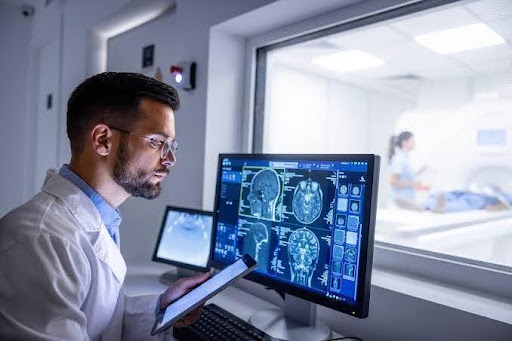


The healthcare landscape is undergoing a profound transformation. Driven by rapid technological advances, digital healthcare solutions are reshaping how care is delivered, experienced, and managed. From intelligent diagnostic systems to wearable health trackers and smart hospitals, the age of Smart Health is here—and it is redefining global wellness.
Recent industry reports show that telehealth usage has increased more than thirtyfold since 2019, and global investment in digital health technologies continues to grow at a rapid pace. These trends demonstrate a clear reality: digital healthcare is becoming a core pillar of modern medicine.
What Smart Health Means Today
Smart Health represents a fully connected, data-driven healthcare ecosystem that prioritizes:
- Accessibility – making healthcare available to anyone, anywhere
- Accuracy – ensuring faster, more precise diagnostics
- Autonomy – empowering patients to manage their own health
Today, Smart Health is not just a concept—it is integrated into daily clinical workflows, home monitoring systems, and personalized care plans.
1. Telehealth: Expanding Access Across Distances
Telehealth is one of the biggest success stories of digital healthcare. Platforms now support virtual consultations, remote diagnostics, follow-up care, and digital prescriptions.
Supporting Data
Studies show that remote consultations can achieve similar or better health outcomes for chronic disease management compared to in-person visits.
Everyday Impact
A patient in a rural community can now connect with a specialist without traveling long distances. For many, telehealth has reduced appointment delays, improved medication adherence, and increased engagement in regular check-ups.
Key Benefits
- Convenience for both patients and providers
- Reduced travel and waiting times
- Greater access for underserved populations
2. Wearables & Remote Monitoring: Turning Data Into Action
Wearable health devices are transforming self-care and preventive medicine. Modern sensors track heart rate, sleep patterns, breathing, activity levels, and even early signs of chronic illness.
Industry Insight
Reports indicate that remote monitoring programs can reduce hospital readmissions by up to 25%, especially for heart disease, diabetes, and recovery care.
How Patients Benefit
Wearables help individuals detect abnormalities early, follow treatment plans more consistently, and stay informed about their day-to-day health.
3. AI-Powered Diagnostics: Faster, More Accurate Decisions
Artificial Intelligence has become a powerful diagnostic tool. Advanced algorithms analyze medical images, detect anomalies, and help predict patient risks with remarkable accuracy.
Real-World Performance
Research shows AI can reach accuracy levels exceeding 90% for certain image-based diagnoses, supporting clinicians in making faster and more reliable decisions.
Where AI Helps Most
- Radiology and medical imaging
- Early detection of cancers
- Predictive risk scoring
- Clinical decision support systems
AI enhances care—it does not replace human expertise.
4. Next-Generation Electronic Health Records (EHRs)
EHR systems have evolved dramatically, helping unify patient information across hospitals, labs, pharmacies, and clinics.
Modern EHR Capabilities
- Automated alerts for high-risk patients
- Better coordination between care teams
- Streamlined workflows and reduced errors
- Integrated telehealth and remote-monitoring data
These improvements support continuity of care and reduce administrative burdens.
5. Big Data & Predictive Analytics: Seeing Patterns Before Problems
Predictive analytics allows healthcare systems to anticipate challenges before they occur.
Current Applications
- Forecasting disease outbreaks
- Reducing patient readmission risks
- Planning hospital staffing and resources
- Monitoring population health trends
During major public health crises, predictive tools have been critical for managing capacity and planning emergency responses.
6. The Rise of Smart Hospitals
Smart hospitals integrate automation, IoT devices, and AI to improve both clinical efficiency and patient experiences.
Features Commonly Seen in Smart Hospitals
- Connected patient-monitoring systems
- Automated medication delivery
- AI-supported surgical planning
- Digital check-ins and smart triage
These systems improve accuracy, reduce delays, and help staff focus on direct patient care.
7. What the Next 5–10 Years Will Bring
Looking toward 2026 and beyond, several emerging technologies will push Smart Health into its next evolution.
Future Trends Likely to Dominate
- Blockchain-secured patient records
- Smart implants for continuous monitoring
- AR-assisted surgical procedures
- DNA-based personalized treatments
- Emotion-aware AI mental-health tools
- Interoperable global health-data networks
The next decade will emphasize personalization, precision, and proactive prevention.
Challenges Ahead
Despite rapid growth, Smart Health still faces several challenges:
- Ensuring strong data privacy and cybersecurity
- Managing implementation costs for healthcare systems
- Addressing digital literacy gaps
- Supporting clinicians during technological transitions
Collaboration across the healthcare ecosystem is essential to overcoming these barriers.
FAQs
1. What makes a healthcare system “smart”?
A smart healthcare system uses digital tools such as AI, telehealth, wearable devices, and data analytics to improve decision-making, safety, and patient outcomes.
2. Do digital healthcare solutions actually improve patient care?
Yes. Studies show telehealth improves chronic disease management, remote monitoring reduces hospital visits, and AI enhances diagnostic accuracy.
3. Is patient data safe in digital health systems?
Modern systems use encryption, secure authentication, and strict compliance with global data-protection regulations to protect patient information.
4. Will AI replace doctors?
No. AI supports clinicians by analyzing data and automating repetitive tasks, allowing healthcare professionals to focus on personalized care.
5. What is the future of Smart Health?
Expect breakthroughs in genomics, AR-based medical procedures, wearable implants, digital mental-health tools, and more connected health ecosystems.
Conclusion
Smart Health represents the future of global healthcare—more accessible, personalized, accurate, and efficient than ever. Digital healthcare solutions such as AI diagnostics, remote monitoring, predictive analytics, and next-generation EHRs are not just improving medical processes—they are transforming patient lives.
As technology continues to advance, healthcare systems will evolve toward greater intelligence, empathy, and connection. The rise of Smart Health is not simply a technological shift; it is a movement toward better care for all.