

In an increasingly digital world, online driving classes have become a popular option for students seeking flexible driver education. The convenience of learning from home at your own pace appeals to many students and parents. However, understanding what online driving classes can and cannot accomplish is essential for making informed education decisions.
A practical online drivers ed course combines digital classroom learning with high-quality behind-the-wheel instruction from certified professionals. This guide explains how online driver education works and how to evaluate its role in comprehensive driver training.
What Online Driver Education Covers
Approved online drivers ed course programs address the classroom components of driver education mandated by California’s DMV. These programs typically include video lectures covering traffic laws, vehicle operation, road signs and markings, emergency procedures, and the consequences of impaired and distracted driving. Online platforms allow students to work at their own pace, review materials as needed, and complete coursework on flexible schedules that work with their lives.
Quality online programs incorporate interactive elements—quizzes, scenario-based decision-making exercises, animations demonstrating concepts, and multimedia presentations—that enhance engagement and learning compared to traditional textbook study. Many programs include progress tracking, allowing students and parents to monitor completion status and understanding.
Some programs also offer components addressing the psychological and behavioral aspects of driving, including discussions of risk perception, decision-making under pressure, peer influence, and the consequences of dangerous driving behaviors. These components are particularly valuable for teenage drivers developing foundational driving attitudes.
Limitations of Online-Only Instruction
While online drivers ed course components provide important theoretical foundation, online instruction alone cannot develop actual driving skills. Operating a vehicle requires muscle memory, physical coordination, situational awareness, and thousands of micro-decisions made in real-time based on changing road conditions. These skills cannot be developed through digital learning alone—they require behind-the-wheel practice guided by qualified instructors.
Additionally, online programs cannot assess actual driving competence or provide corrective feedback during real driving situations. A student might complete an online course demonstrating theoretical knowledge but still lack practical skills for safe independent driving.
The Critical Role of Behind-the-Wheel Instruction
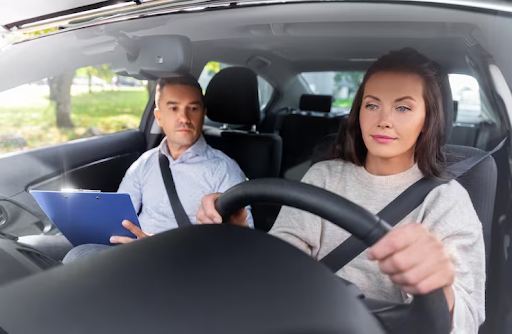
Even students completing excellent online driver education require extensive behind-the-wheel instruction from certified professionals. This practical training is where theoretical knowledge becomes operational skill. Behind-the-wheel instruction should follow the same quality standards discussed earlier—certified instructors, progressive skill development, individualized attention, and emphasis on defensive driving principles.
The combination of online learning plus quality behind-the-wheel instruction creates comprehensive driver education. The online component efficiently delivers theoretical content while the in-car component develops practical skills and safety awareness.
How Online Learning Supports Behind-the-Wheel Training
When quality online programs precede in-car instruction, students arrive at behind-the-wheel training with theoretical knowledge already in place. This allows driving instructors to focus lesson time on skill development rather than explaining traffic laws or vehicle operation theory. Students spending their instructor time practicing skills rather than absorbing information typically progress faster and reach competence more quickly.
Additionally, the flexibility of online learning accommodates busy student schedules. Students can complete theoretical work during times convenient for them, then schedule behind-the-wheel lessons when instructors are available. This flexibility often makes comprehensive driver education more feasible for students juggling school, work, and other activities.
Evaluating Online Driver Education Programs
When selecting driving classes online, look for programs approved by California’s DMV. Approved programs meet specific standards for curriculum content, course completion verification, and progress tracking. Programs displaying their DMV approval indicate compliance with state requirements.
Examine the program’s interface and learning approach. Does it include interactive elements supporting engagement, or does it consist primarily of passive video watching? Interactive programs typically result in better learning outcomes and greater student engagement. Check whether the program provides progress tracking and allows parents to monitor their student’s completion status, which supports accountability.
Consider the program’s length and rigor. Programs that seem unusually short or simplistic may not adequately address required content. Quality online drivers ed course programs typically require 6-8+ hours of content engagement, reflecting the depth of material covered.
Integration of Online and In-Person Training
The most effective approach combines online learning with quality behind-the-wheel instruction. Students should complete online coursework before beginning driving lessons so they arrive with fundamental knowledge. Then, with this foundation established, in-car instructors can focus on skill development and defensive driving practice rather than explaining concepts.
Some driving schools offer packages combining their approved online program with their behind-the-wheel instruction. This integration often works smoothly because the online and in-car components coordinate and build upon each other.
Flexibility Advantages of Online Learning
Online drivers ed course programs offer genuine advantages for scheduling. Students completing lessons at their own pace can fit learning around school, work, sports, and other commitments. Night and weekend access means students can study when it works best for them rather than being constrained by class schedules. Parents of busy teenagers appreciate this flexibility and how it makes complete driver education more feasible.
However, flexibility does not mean lack of structure. Quality online programs include progress milestones, deadline reminders, and completion verification ensuring students don’t indefinitely postpone coursework.
Parental Involvement and Monitoring
Excellent online drivers ed course programs facilitate parental involvement. Parents can see what content their student is learning, monitor progress through completion, and reinforce important messages about safe driving. This parental engagement supports learning and creates opportunities for family discussions about driving safety and responsibility.
Cost Considerations
Online driver education programs typically cost less than comprehensive in-person classroom programs because they eliminate instructor-led classroom instruction costs. However, remember that online instruction addresses only the classroom component of driver education. Complete training including behind-the-wheel instruction will cost substantially more than online programs alone.
Evaluate the value of online programs as part of comprehensive driver education, not as standalone education. The lowest-cost online program will provide poor value if it doesn’t effectively prepare students for behind-the-wheel training or if it results in inefficient behind-the-wheel lesson use.
Conclusion
Quality online drivers ed course instruction provides valuable flexible learning addressing the theoretical components of driver education. However, comprehensive driver training requires combining online classroom instruction with quality behind-the-wheel training from certified professionals. When students complete rigorous online coursework before beginning in-car instruction, they arrive well-prepared for practical skill development. Online learning’s flexibility makes it an excellent component of modern driver education, but it must be combined with professional instruction to produce truly competent, safe drivers prepared for independent driving. Look for online programs approved by California’s DMV and, after completion, ensure students receive extensive high-quality behind-the-wheel instruction from qualified instructors before driving independently.