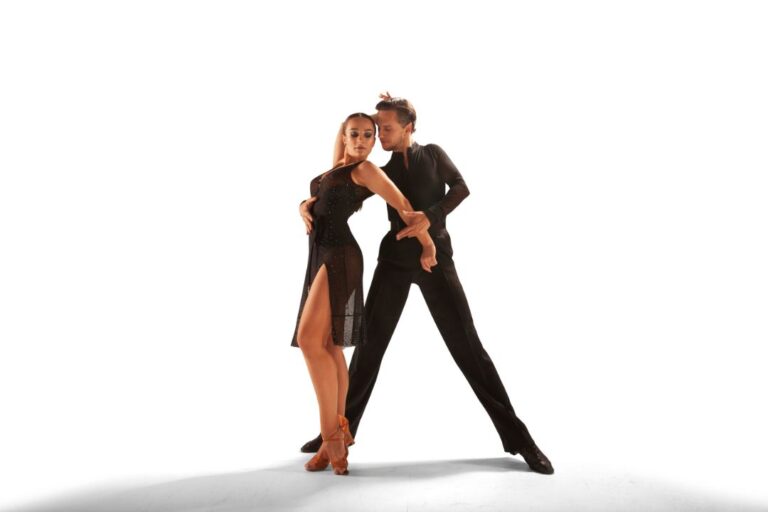


Many couples start dancing lessons for couples expecting a fun activity or a new hobby. What they usually discover is something deeper: dance reshapes how they connect, communicate, and relate to each other. Partner dancing requires trust, cooperation, and emotional awareness in a way few other activities do. It takes two people out of their routine and places them into a shared learning experience that reveals how they work together.
In long-term relationships, daily life often becomes transactional work, chores, errands, and responsibilities dominate time together. Dance disrupts that pattern by creating intentional moments of focus, play, and physical connection.
Why Partner Dance Is Different From Other Activities
Most hobbies couples do together involve parallel participation: watching a movie, going to the gym, or eating out. Dance is different. It requires constant interaction. One partner leads, the other follows, and both must listen with their bodies, not just their ears.
In partner dance workshops, couples communicate through posture, hand pressure, movement direction, and timing. When that communication is clear, the dance feels smooth. When it breaks down, it becomes awkward just like real-life interactions. This makes dance a powerful mirror for relationship dynamics.
Over time, couples become more sensitive to each other’s cues. They learn how small shifts in movement or tension create big effects. This awareness often carries over into everyday life, improving patience, attentiveness, and emotional responsiveness.
Relationship Benefits of Dancing Together
Dance strengthens relationships in ways few activities can. It combines physical closeness, mental engagement, and emotional vulnerability.
Some of the biggest benefits include:
- Physical touch and closeness, which increases bonding and intimacy
- Shared goals, as couples work together to master steps and routines
- Quality time, free from phones, work, and outside distractions
- Playfulness, which brings laughter and lightness into the relationship
- Mutual support, as partners help each other through challenges
These elements build connection far more effectively than passive activities. You are not just near each other — you are engaged with each other.
Choosing the Right Dance Style
Different couples gravitate toward different styles, depending on their personalities and comfort levels. Ballroom dances like waltz, foxtrot, and tango emphasize elegance, posture, and graceful movement. These styles appeal to couples who enjoy structure and refinement.
Latin styles such as salsa, bachata, and merengue bring more energy, passion, and rhythm. They encourage closer connection, playful interaction, and expressive movement. Swing and contemporary partner dances offer a mix of fun, creativity, and athleticism.
Most couples dance programs introduce multiple styles so partners can discover what feels best. Some couples fall in love with the smooth flow of ballroom. Others thrive on the heat and musicality of Latin dance. The key is not which style you choose, but that you experience it together.
Learning as a Team
Learning to dance as a couple is a powerful exercise in teamwork. Neither partner starts as an expert. Both will struggle, forget steps, and feel awkward at times. That shared vulnerability builds empathy and patience.
Couples who succeed in dance approach the process with the right mindset:
- They allow each other to learn at different speeds
- They celebrate small improvements instead of focusing on mistakes
- They avoid criticism and replace it with encouragement
- They laugh when things go wrong
- They keep the experience light and enjoyable
These habits strengthen emotional safety. When partners feel supported instead of judged, trust grows — on and off the dance floor.
Turning Dance Into a Weekly Date Night
One of the strongest benefits of dance classes is that they create built-in quality time. Weekly lessons become a standing date, something both partners can look forward to.
Dance-based date nights offer:
- A break from routine
- A shared experience to talk about afterward
- Physical movement and stress relief
- Social interaction with other couples
- A sense of continuity and ritual
Over time, these regular moments add up. They remind couples that their relationship deserves attention, not just convenience.
Beyond the Dance Studio
Many couples who start dancing extend it into other parts of their lives. They attend social dances, performances, or even dance festivals and vacations. These shared experiences become memories that belong only to them.
For some couples, dance becomes part of their identity something they do together that feels uniquely theirs. It provides ongoing growth, not just a one-time activity.
Final Thoughts
Dancing lessons for couples are not just about learning steps. They are about learning each other how to listen, respond, support, and move in harmony. Through physical connection, shared challenges, and joyful expression, dance strengthens emotional bonds in a way few activities can.
For couples who want to reconnect, deepen their relationship, or simply have more fun together, dancing offers a powerful and lasting path forward.