
Artificial intelligence (AI) is transforming the way businesses interact with customers. For small businesses, AI tools promise faster responses, personalized recommendations, and automated workflows that can free up staff and enhance customer experience.
However, while the benefits are significant, AI is not a magic solution. Understanding its limitations, costs, and best integration practices is crucial to ensure it actually improves customer service rather than creating new frustrations.
The Benefits of AI in Customer Service
AI tools can help small businesses:
- Automate Routine Tasks
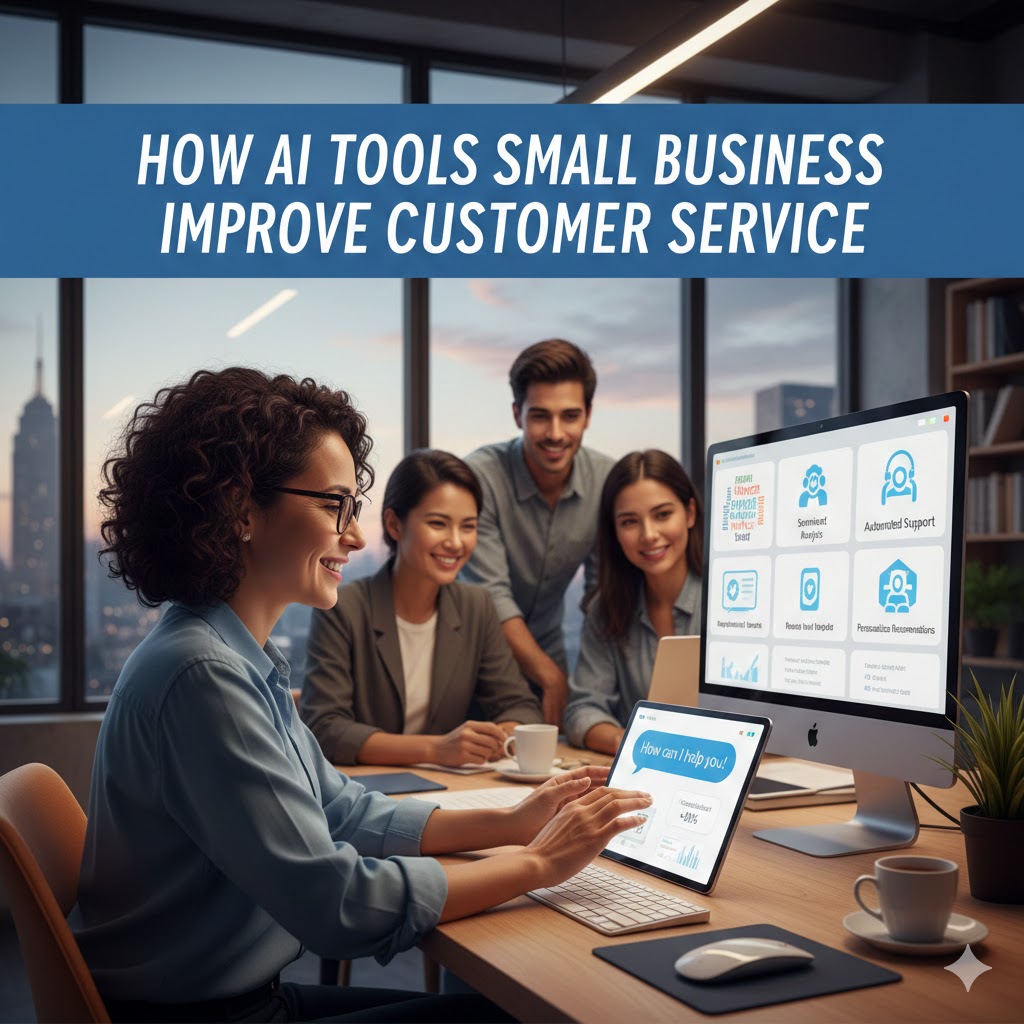
AI chatbots and email assistants can handle FAQs, schedule appointments, and track orders, freeing staff to focus on complex inquiries. - Provide 24/7 Support
Customers no longer need to wait for office hours—AI tools can respond instantly at any time of day. - Analyze Customer Data for Insights
AI can detect patterns in customer feedback and behavior, helping businesses make informed decisions and tailor services. - Offer Personalized Experiences
By tracking customer preferences, AI can suggest products or services that meet individual needs.
These benefits are why many small businesses are eager to adopt AI tools. But there’s more to the story.
The Limitations and Risks of AI in Customer Service
While AI offers efficiency, it cannot fully replace human interaction. Some key limitations include:
- Lack of Empathy
AI cannot understand emotions the way humans can. In sensitive or complex situations, customers may feel frustrated or unheard if their issues are handled solely by a bot. - Challenges with Complex Queries
AI struggles with unique or nuanced problems. It works best with structured, repetitive tasks but can falter when situations require judgment or creativity. - Potential for Generic Responses
Over-reliance on AI may lead to impersonal communication. Customers notice if responses feel robotic, which can harm trust and brand loyalty. - Data Privacy Concerns
Handling sensitive customer data with AI systems requires strict security measures. Small businesses must ensure compliance with regulations like GDPR or local data protection laws. - Implementation Costs and Integration Complexity
Installing and maintaining AI solutions requires upfront investment, technical knowledge, and ongoing monitoring to keep the system running smoothly.
Best Practices for Integrating AI in Customer Service
AI works best when it supports human staff rather than replacing them. Here’s how small businesses can integrate AI effectively:
- Start Small and Gradually Scale
Implement AI for simple tasks first, such as automated FAQs, before moving to complex workflows. - Combine AI With Human Oversight
Use humans to handle escalated cases, complaints, or sensitive inquiries. AI should assist, not replace, your team. - Evaluate AI Tools Carefully
Consider factors like ease of use, cost, integration with existing systems, and data security features before choosing a tool. - Track Performance Metrics
Monitor response times, customer satisfaction, and resolution rates to ensure AI is actually improving service. - Maintain Transparency With Customers
Let customers know when they are interacting with AI and provide easy access to human support if needed.
Conclusion: Balance is Key
AI tools offer powerful advantages for small businesses, from automating repetitive tasks to personalizing customer experiences. But they also come with limitations, risks, and costs that cannot be ignored.
The most effective approach combines AI efficiency with human empathy, allowing small businesses to enhance customer service without sacrificing quality or trust. By carefully selecting tools, gradually integrating AI, and monitoring performance, businesses can enjoy the best of both worlds: faster service and happier customers.