
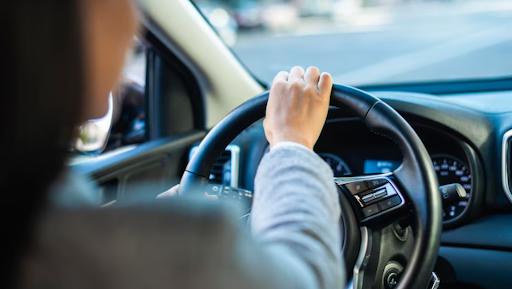

Starting to drive is a big step for any young person, filled with excitement and sometimes a bit of nervousness. A driving lesson for teens is designed to help new drivers gain the skills and confidence they need in a safe and structured way.
Whether it’s your very first time behind the wheel or you’re just beginning to learn the rules of the road, preparing for that first lesson can make all the difference in how smoothly you progress.
1. Understand the Requirements
Before taking behind-the-wheel lessons, it’s important to know your state’s legal requirements. In California, for example, teens under 18 must complete 6 hours of professional behind-the-wheel training with a certified driving instructor before applying for a provisional license. You’ll also need to have completed a driver’s education course and hold a learner’s permit.
Knowing these steps ahead of time will help you stay organized and ensure you meet all the necessary criteria for legal driving.
2. Get Comfortable with the Car Controls
Familiarizing yourself with basic car controls before your first lesson can reduce anxiety and help you focus on driving skills rather than figuring out buttons and pedals.
Take some time to learn about:
- The accelerator and brake pedals
- Steering wheel functions
- Turn signals and windshield wipers
- Gear shifts (automatic or manual)
- Dashboard indicators
Many driving schools provide orientation materials or videos — reviewing these beforehand can give you a head start.
3. Dress Appropriately
Comfort and safety go hand in hand during driving lessons. Wear comfortable clothing that doesn’t restrict movement. Closed-toe shoes with good grip are essential — avoid sandals, flip-flops, or high heels, as they can interfere with pedal control.
Also, consider the weather. If it’s cold or rainy, dress accordingly to stay focused without distraction.
4. Bring Your Learner’s Permit and Necessary Documents
Most states require you to bring your learner’s permit to each lesson. Additionally, check if the driving school needs any paperwork, such as consent forms signed by a parent or guardian.
Arriving prepared with all necessary documents avoids delays and shows responsibility.
5. Arrive Early and Stay Calm
Being punctual for your lesson gives you time to settle your nerves and mentally prepare. Driving lessons often involve tight schedules, so arriving early also shows respect for your instructor’s time.
If you’re feeling nervous, take deep breaths and remind yourself that it’s normal to feel this way. Your instructor is there to guide and support you step-by-step.
6. Set Realistic Expectations
Your first lesson won’t make you an expert driver overnight — and that’s okay! The initial sessions usually focus on familiarizing you with the vehicle, basic controls, and simple maneuvers in low-traffic areas.
Recognize that learning to drive is a gradual process. Celebrate small victories, like starting the car smoothly or executing your first turn. Confidence grows with practice.
7. Be Open to Feedback
Professional driving instructors are trained to provide constructive feedback aimed at improving your skills and safety. Listen carefully to their guidance, even if it feels challenging.
Remember, feedback is not criticism — it’s a tool to help you become a safer, more confident driver. Ask questions if something isn’t clear; good instructors appreciate engaged learners.
8. Practice Patience and Focus
Driving requires concentration and patience. Expect moments where you might feel overwhelmed or make mistakes — this is part of the learning curve.
Stay focused on your instructor’s instructions, avoid distractions (like phone use), and keep a positive mindset. The more patient and attentive you are, the faster you’ll progress.
9. Understand the Importance of Safety
Safe driving habits are the foundation of responsible driving. From day one, your instructor will emphasize the importance of seatbelt use, obeying speed limits, checking mirrors, and scanning the road ahead.
Taking safety seriously from your very first lesson helps develop habits that protect you and others on the road.
10. Know That Practice Outside Lessons Helps
While professional lessons are critical, practicing driving with a licensed adult outside of lessons also accelerates your progress. California requires teens to complete 50 hours of supervised driving before applying for a full license.
Use this time to apply what you’ve learned in lessons, gain confidence, and experience a variety of driving conditions.
Final Thoughts
Your first driving lesson is an important step toward becoming a responsible driver. By understanding what to expect, preparing ahead, and approaching the experience with a calm and open mindset, you set yourself up for success.
Remember, everyone starts somewhere. Even the most skilled drivers were once beginners facing the same challenges and nerves. With time, practice, and the right guidance, you’ll develop the skills and confidence to navigate the roads safely.