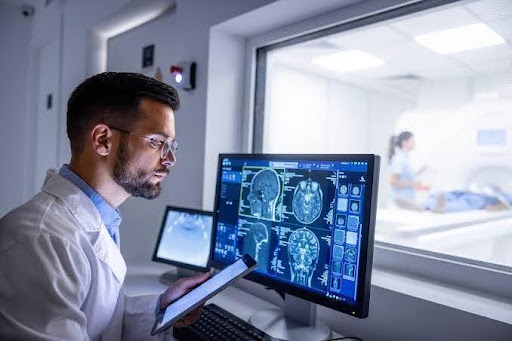


Cancer treatment has evolved significantly over the past few decades. Today, patients have access to a variety of approaches, including surgical procedures, chemotherapy, immunotherapy, and radiation-based methods. One of the most widely used radiation techniques is teletherapy radiation, which delivers targeted doses of high-energy beams to cancerous tissues from outside the body.
This post explores how teletherapy radiation compares with other standard treatments. It focuses on how each method works, when it is most suitable, and what patients can expect. Understanding these differences can help individuals make informed decisions about their treatment plan in consultation with specialists.
What is Teletherapy Radiation?
Teletherapy radiation, also known as external beam radiation, is a non-invasive treatment in which a machine delivers precise doses of radiation to a tumour. The process is carefully planned using imaging techniques like CT scans to ensure the beam targets only the affected area, sparing healthy tissues as much as possible. Patients usually undergo multiple sessions over several days or weeks. Since it does not involve surgery, the treatment is well-suited for individuals who may not be fit for invasive procedures. It is used across various cancers, including brain, breast, lung, and prostate cancers.
How It Differs from Internal Radiation (Brachytherapy)
Brachytherapy, also a form of radiation therapy, involves placing radioactive sources inside or very close to the tumour. This allows for a higher radiation dose in a concentrated area. However, it typically requires minor surgical procedures or catheter insertions and is more commonly used for cancers such as cervical, prostate, and breast. In contrast, teletherapy radiation does not involve any incisions or internal devices. It is administered entirely from outside the body, making it a more comfortable option for many patients.
Comparison with Surgery
Surgery involves the physical removal of a tumour and surrounding tissues. It is often used in early-stage cancers where the tumour is accessible and has not spread. While it can offer immediate removal, surgery comes with the risk of infection, a longer recovery time, and may not be possible in all patients. For individuals who cannot undergo surgery due to age, medical conditions, or tumour location, teletherapy radiation offers a viable alternative. It can also be used post-surgery to eliminate any remaining cancer cells.
Comparison with Chemotherapy
Chemotherapy uses drugs to kill cancer cells throughout the body. It is a systemic treatment, meaning it affects both cancerous and healthy cells. Chemotherapy is often used for cancers that have spread or are likely to spread. Unlike chemotherapy, teletherapy radiation focuses on a specific area. This localised approach limits side effects to the treatment area, such as skin irritation or fatigue, rather than affecting the entire body.
When Is Teletherapy Radiation Most Suitable?
Teletherapy radiation is commonly recommended in the following scenarios:
- The tumour is in a sensitive or inoperable location (e.g., near vital organs).
- The patient is not fit for surgery.
- The cancer is at a stage where local control is necessary.
- As part of a combination approach with surgery or chemotherapy.
It is also used in palliative care to reduce symptoms like pain or bleeding caused by advanced cancers.
Key Advantages of Teletherapy Radiation
A quick overview of its benefits over other treatments is as follows:
- Non-invasive: No surgery or anaesthesia required.
- Outpatient procedure: No hospital stay needed in most cases.
- Targeted: Focuses only on the tumour, reducing damage to healthy tissue.
- Repeatable: Can be used multiple times in different areas of the body if necessary.
- Customised: Treatment plans are tailored based on tumour size, location, and type.
Limitations and Considerations
While teletherapy radiation is effective, it may not be suitable in every situation. Tumours deep within the body or those requiring a concentrated dose may benefit more from brachytherapy or surgery. Additionally, some types of cancer respond better to systemic treatments like chemotherapy or immunotherapy. Doctors often use a combination of therapies to achieve the best outcome, depending on the cancer type and stage.
Conclusion
Choosing the proper cancer treatment is a profoundly personal decision influenced by many medical and individual factors. Among the available options, teletherapy radiation offers a reliable, non-invasive, and targeted way to treat a wide range of cancers. It allows patients to continue their daily activities with minimal interruption while receiving adequate care.
Each treatment has its strengths. What works best for one patient might not be the right choice for another. This is why it’s essential to consult experienced oncology specialists who can assess your condition and recommend a plan tailored to your needs.
Leading hospitals such as Nanavati Max Super Speciality Hospital are known for offering advanced cancer care and multidisciplinary expertise to support such decisions. The goal is always the same — to deliver the most effective care with the least possible impact on overall well-being.