
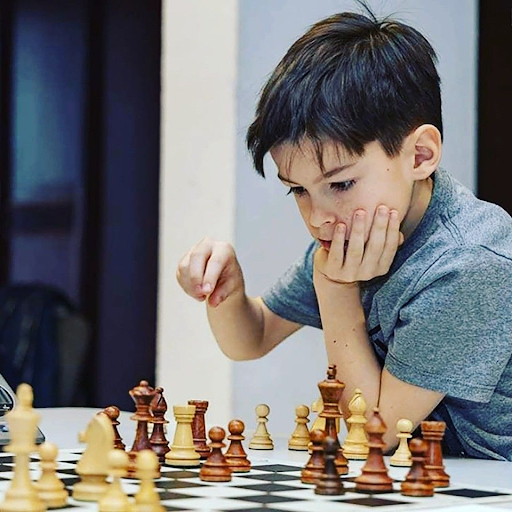

Chess is a game of strategy, patience, and careful decision-making that can be enjoyed at any age. For new players, however, the many pieces, rules, and possible moves can initially feel overwhelming. A structured learning programme makes the process easier by breaking the game into manageable steps and helping students practise each skill before moving on to more advanced concepts.
Choosing a is an excellent way to understand the fundamentals, avoid common mistakes, and develop confidence at the board. Whether you are learning for personal enjoyment, preparing to play with friends, or hoping to compete in tournaments in the future, the right course can give you a reliable starting point.
Why Beginners Should Learn Chess Step by Step
Many new players start by memorising how each piece moves and immediately begin playing full games. While playing is essential, understanding the principles behind good decisions can make the learning process much more productive.
A structured course introduces the game in a logical order, allowing learners to build knowledge gradually. Instead of trying to remember everything at once, students can focus on one concept, practise it, and then apply it in actual games.
Understand the Rules with Confidence
Every chess player needs to know how the king, queen, rook, bishop, knight, and pawn move. Beginners also need to understand check, checkmate, stalemate, castling, pawn promotion, and en passant.
Learning these rules correctly prevents confusion during games and creates a strong foundation for future study.
Develop Logical Thinking
Chess requires players to evaluate a position, compare possible moves, and consider what their opponent might do next. These habits encourage a thoughtful approach to problem-solving.
Beginners gradually learn to ask useful questions before moving a piece: Is it protected? Can my opponent capture it? Does this move improve my position?
Learn from Mistakes
Mistakes are a natural part of learning chess. A well-designed course helps students understand why a move failed rather than simply telling them that it was wrong.
By reviewing mistakes and exploring alternatives, learners can recognise recurring patterns and make better decisions in future games.
What Makes the Best Beginner Chess Course?
The best beginner chess course should be easy to follow, practical, and appropriate for the learner’s experience level. It should explain the essential concepts clearly and provide enough opportunities to practise them.
Here are some features worth looking for when comparing programmes.
1. A Clear Learning Path
A good course starts with board setup and piece movement before introducing tactics, opening principles, and basic endgames. Each lesson should build on previously learned concepts.
This progression helps students understand how individual skills work together during a complete game.
2. Practical Exercises and Puzzles
Watching an instructor explain a concept is helpful, but active practice makes it easier to remember. Exercises encourage students to apply what they have learned and recognise tactical patterns.
For example, a beginner might solve a simple checkmate puzzle or identify a piece that is left undefended. These activities develop observation and calculation skills.
3. Guidance from a Knowledgeable Coach
An experienced chess instructor can explain complicated ideas in simple language, identify mistakes, and recommend suitable exercises.
When assessing a programme, look at the instructor’s teaching experience, lesson structure, and approach to feedback. The ability to support beginners is just as important as knowledge of advanced chess.
4. Opportunities to Play Real Games
Practice games allow learners to apply their skills in realistic positions. They also help students understand the importance of planning, time management, and adapting to an opponent’s decisions.
A course that combines instruction with guided games can help beginners connect theory with practical play.
5. Feedback and Progress Reviews
Students need to know which skills they have mastered and which require more attention. Progress reviews, game analysis, and targeted exercises can help them identify their next learning goals.
The format may vary between courses, so check how feedback is provided before enrolling.
Essential Chess Skills Every Beginner Should Learn
A comprehensive beginner programme should cover the fundamentals while gradually introducing strategic thinking.
Piece Safety and Basic Tactics
One of the most useful early lessons is learning to protect your pieces. Beginners often focus on attacking their opponent without noticing that their own pieces are vulnerable.
Simple tactical ideas such as forks, pins, skewers, and discovered attacks help students recognise opportunities to win material or defend against threats.
Opening Principles
Opening play can seem complicated because there are many possible sequences. Beginners usually benefit more from understanding general principles than memorising long variations.
These principles include controlling the centre, developing minor pieces, protecting the king, and avoiding unnecessary moves with the same piece. Such habits provide a dependable foundation for the early stages of a game.
Checkmate Patterns
Learning common checkmate patterns helps players recognise how attacks can lead to a win. Basic examples include checkmate with a queen and king or a rook and king.
Students should also practise defending against threats and identifying when their king has limited escape squares.
Basic Endgames
The endgame begins when fewer pieces remain on the board. Beginners can start with king-and-pawn positions, the opposition, pawn promotion, and simple checkmates.
Understanding these situations teaches players how to turn a promising position into a result instead of allowing an advantage to disappear.
Is Online Chess Learning Suitable for Beginners?
Online lessons can be a convenient way to learn chess from home. Students can access instruction without travelling to a physical classroom, while families can organise lessons around school, work, and other commitments.
When selecting an online programme, look for interactive demonstrations, practice opportunities, and clear explanations. A course should give learners a chance to ask questions or receive feedback where the format allows it.
The best online chess academy for a beginner is not necessarily the one with the most advanced players or the largest number of lessons. Instead, consider whether the teaching approach suits your current ability and helps you progress at a comfortable pace.
Before enrolling, check the lesson schedule, course duration, instructor qualifications, platform requirements, and availability of trial sessions. These details can help you choose a programme that matches your expectations.
How to Practise Between Lessons
Consistent practice helps beginners remember concepts and apply them more confidently. You do not need to spend several hours every day to make progress.
Solve a few puzzles daily. Short tactical exercises can improve pattern recognition and help you become more attentive to threats.
Play games at a comfortable pace. Choose a time control that allows you to think carefully rather than making rushed decisions.
Review important moves. After each game, identify one or two moments when you could have made a better decision. Focus on understanding the reason behind the mistake.
Study basic endgames. Practising simple positions can improve your understanding of how to convert an advantage into a win.
Set achievable goals. You might aim to stop leaving pieces undefended, complete a set of beginner puzzles, or learn a new checkmate pattern each week.
Small improvements become meaningful when you practise regularly and review your progress.
Common Beginner Mistakes to Avoid
New players often move too quickly, attack without a plan, or focus on their own ideas without considering the opponent’s threats. These habits are normal, but learning to recognise them early can accelerate improvement.
Before making a move, check whether your opponent is threatening a piece or checkmate. Make sure the piece you intend to move will not be captured without compensation. Also, avoid bringing the queen out too early if it can be attacked repeatedly while your other pieces remain undeveloped.
Most importantly, do not judge your progress only by your win-loss record. Understanding a difficult position, spotting a tactical idea, or correcting a repeated mistake can be valuable signs of improvement.
Take Your First Step Towards Better Chess
Learning chess becomes easier when you have a clear plan, suitable practice exercises, and guidance that matches your ability. From understanding the rules to recognising tactics and playing complete games, each stage contributes to a stronger foundation.
is an option to explore if you are looking for a chess beginner course, the best beginner chess course, or the best online chess academy for structured learning. Review the available programmes and choose one that fits your goals, schedule, and preferred learning style.