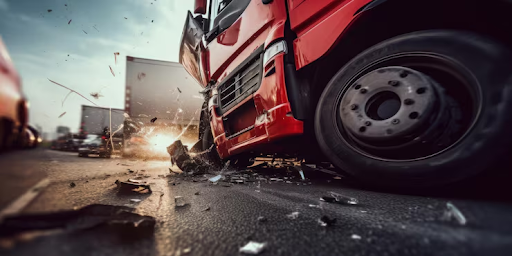
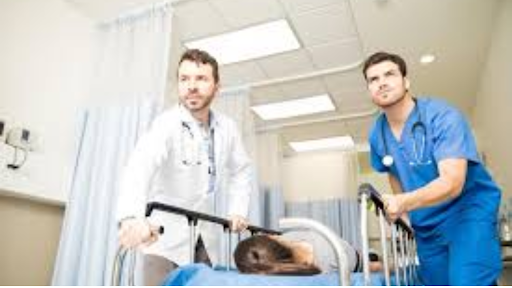

Understanding truck accident injuries classifications, severity patterns, and long-term health consequences enables appropriate medical response, realistic damage assessment, and comprehensive treatment planning. Commercial vehicle collisions create particularly severe injuries due to vehicles’ mass, impact forces, and occupant vulnerability. Injury classification provides framework for understanding common truck accident injuries, their immediate and chronic health impacts, and appropriate medical management. This comprehensive guide explores injury types, severity assessment mechanisms, long-term consequences, and understanding medical evidence’s role in injury claims.
Head and Traumatic Brain Injury (TBI)
Impact Mechanisms and Causation
Truck collision impact forces frequently cause head trauma from direct impact or violent acceleration-deceleration. Head injuries range from minor concussions to catastrophic brain damage.
Classification and Severity Levels
Mild TBI involves brief consciousness loss and minimal neurological changes. Moderate-to-severe TBI produces extended unconsciousness, coma, or permanent neurological deficits.
Long-Term Consequences
Chronic TBI consequences include cognitive impairment, memory loss, personality changes, and increased dementia risk. Lifelong management frequently requires specialized care.
Medical Evaluation and Diagnosis
Imaging studies (CT, MRI), neurocognitive testing, and neurological examinations establish TBI diagnosis and severity. Proper diagnosis requires specialized neurological expertise.
Spinal Cord and Vertebral Injuries
Anatomical Impact and Causation
High-force impacts frequently cause spinal compression, disc herniation, or ligament damage. Spinal location and injury severity determine neurological impact.
Paralysis and Permanent Disability
Complete spinal cord transection produces paralysis affecting function below injury level. Permanent disability requires comprehensive lifetime care.
Pain Syndromes and Chronic Management
Spinal injuries frequently produce chronic pain requiring ongoing management. Pain becomes debilitating affecting quality of life substantially.
Treatment and Rehabilitation
Spinal injury treatment ranges from conservative management to surgical intervention. Rehabilitation addresses functional loss and adaptation.
Fracture Patterns and Severity
Truck collision forces frequently cause multiple fractures affecting multiple body regions. Fracture complexity and number affect treatment complexity.
Compound Fractures and Surgical Intervention
Open fractures penetrating skin carry infection risk requiring surgical management. Compound fractures typically produce more severe long-term consequences.
Rehabilitation and Functional Recovery
Extended rehabilitation addresses functional restoration following fracture healing. Some injuries produce permanent functional limitations.
Post-Traumatic Arthritis Development
Fractures affecting joint surfaces frequently produce post-traumatic arthritis. Long-term degenerative changes affect mobility and quality of life.
Internal Organ Injuries
Blunt Force Trauma Impact
Severe impacts frequently cause internal organ injury—liver lacerations, kidney damage, internal bleeding. Internal injuries may not manifest immediately requiring careful monitoring.
Chest Injuries and Respiratory Compromise
Rib fractures, lung contusion, or pneumothorax impair respiratory function. Respiratory injuries may produce lasting ventilation challenges.
Abdominal Injuries and Complications
Abdominal trauma may cause spleen, kidney, or bowel injury. Internal bleeding from abdominal injuries can be life-threatening.
Emergency Intervention and Long-Term Consequences
Many internal injuries require emergency surgical intervention. Survivor consequences depend on injury type and intervention success.
Burn Injuries and Fire-Related Damage
Fire and Explosive Incident Causation
Vehicle fires from fuel leaks or electrical damage produce severe burn injuries. Chemical exposure and inhalation injuries complicate burn management.
Burn Degree Classification
Skin depth determines burn degree—first degree (superficial) through fourth degree (full thickness). Degree classification guides treatment and prognosis.
Infection and Scarring Complications
Severe burns require intensive care preventing infection. Healing produces scarring affecting function and appearance.
Psychological and Social Impact
Disfiguring burns produce profound psychological consequences affecting quality of life. Comprehensive care addresses physical and psychological healing.
Soft Tissue Injuries
Whiplash and Neck Injuries
High-impact collisions frequently cause whiplash—neck soft tissue injury from sudden acceleration-deceleration. Whiplash injuries range from minor to severe.
Muscle Strains and Ligament Sprains
Impact forces frequently cause muscle and ligament injuries. Soft tissue injuries frequently produce chronic pain.
Chronic Pain Syndromes
Soft tissue injuries frequently develop chronic pain becoming debilitating. Pain may persist long after visible healing.
Treatment and Recovery Timeline
Conservative treatment addresses most soft tissue injuries. Extended rehabilitation may be necessary for severe cases.
Common Truck Accident Injuries and Frequency
Whiplash Injuries
Neck injuries occur in majority of rear-impact collisions. Whiplash frequently produces chronic pain despite appearing minor.
Fractures and Orthopedic Injury
Bone fractures occur frequently in severe impacts. Multiple fractures complicate treatment and recovery.
Soft Tissue Damage
Muscle, ligament, and tendon injury accompanies most impacts. Soft tissue injuries frequently produce lasting pain.
Head Injury and Concussion
Head impact or acceleration-deceleration forces frequently cause TBI. Concussions may produce lasting cognitive effects.
Psychological and Emotional Consequences
Post-Traumatic Stress Disorder (PTSD)
Severe accident trauma frequently produces PTSD affecting psychological functioning. PTSD constitutes legitimate compensable injury.
Depression and Anxiety
Accident trauma and chronic pain frequently produce depression and anxiety. Mental health consequences deserve recognition and treatment.
Adjustment Disorders
Life-altering injuries produce adjustment challenges affecting employment and relationships. Comprehensive care addresses psychological adaptation.
Medical Documentation and Injury Evidence
Diagnostic Imaging and Testing
Imaging studies (X-ray, CT, MRI) provide objective injury documentation. Proper imaging substantiates injury claims.
Medical Records and Treatment Documentation
Comprehensive medical records establish injury extent and treatment necessity. Detailed documentation supports damage claims.
Expert Medical Testimony
Medical specialists provide authoritative testimony regarding injury causation and long-term consequences. Expert credibility substantiates injury claims.
Conclusion
Comprehensive understanding of truck accident injuries classification, severity assessment, and long-term health consequences enables appropriate treatment planning, realistic damage assessment, and informed settlement decisions. Common truck accident injuries range from minor soft tissue damage to catastrophic permanent disability. Professional medical and legal guidance ensures proper treatment and maximum compensation recovery reflecting injury severity and long-term consequences.